A Roofing Sub That Doesn't Become Your Schedule Problem
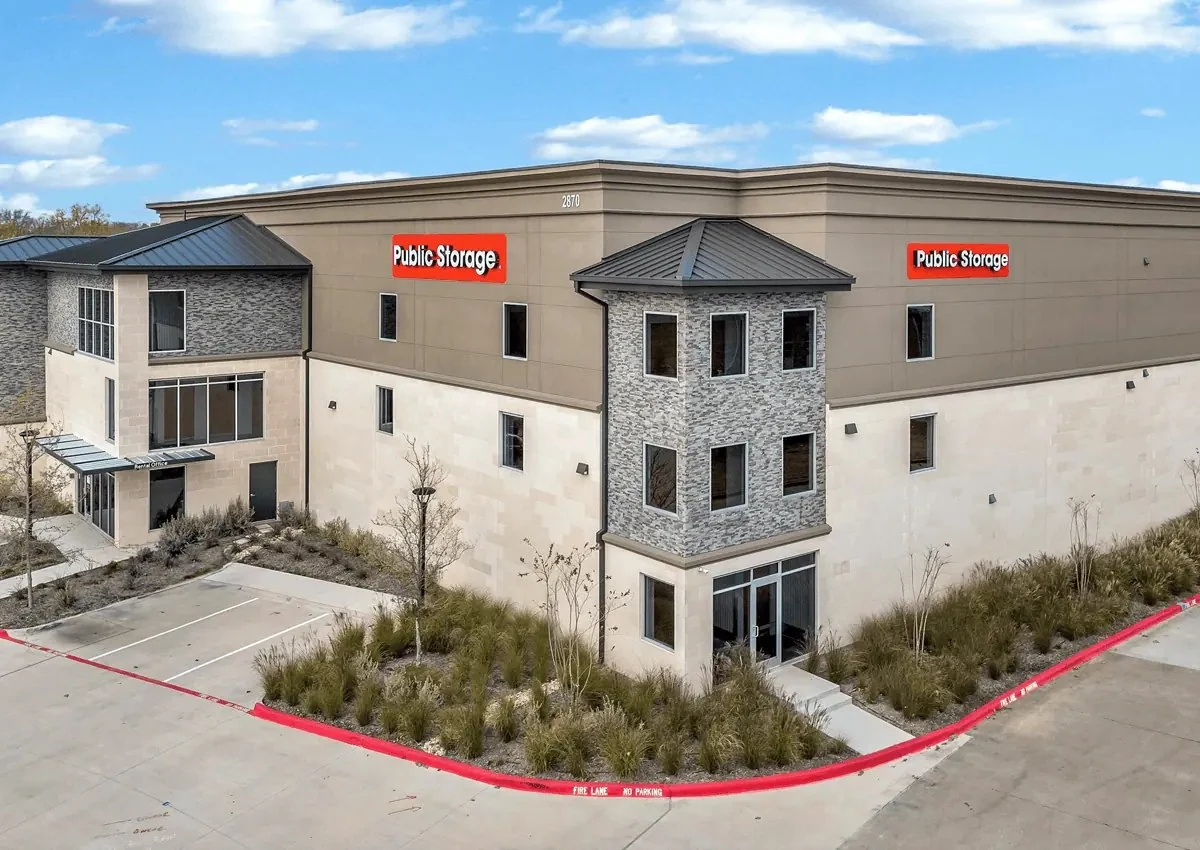
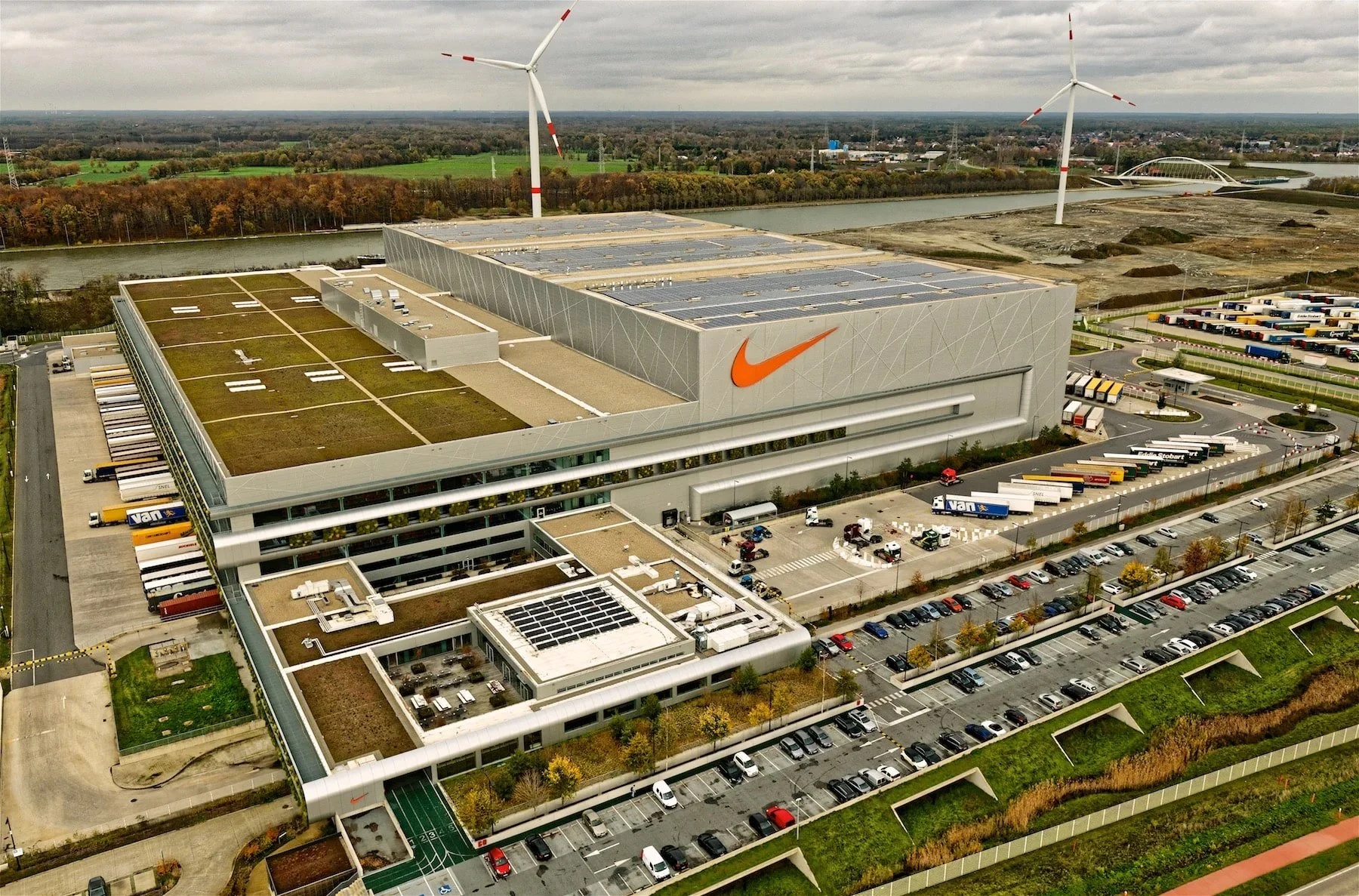
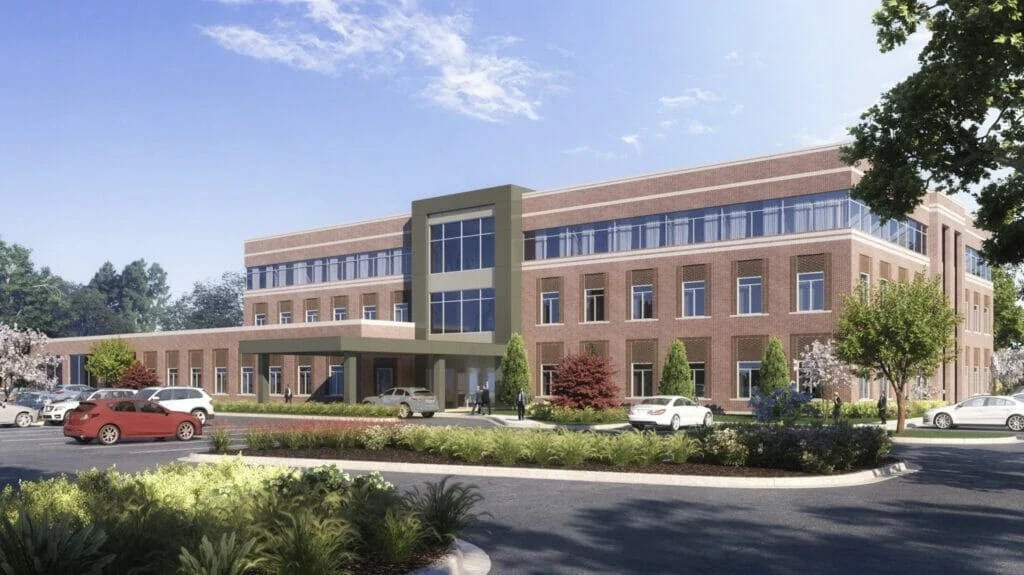
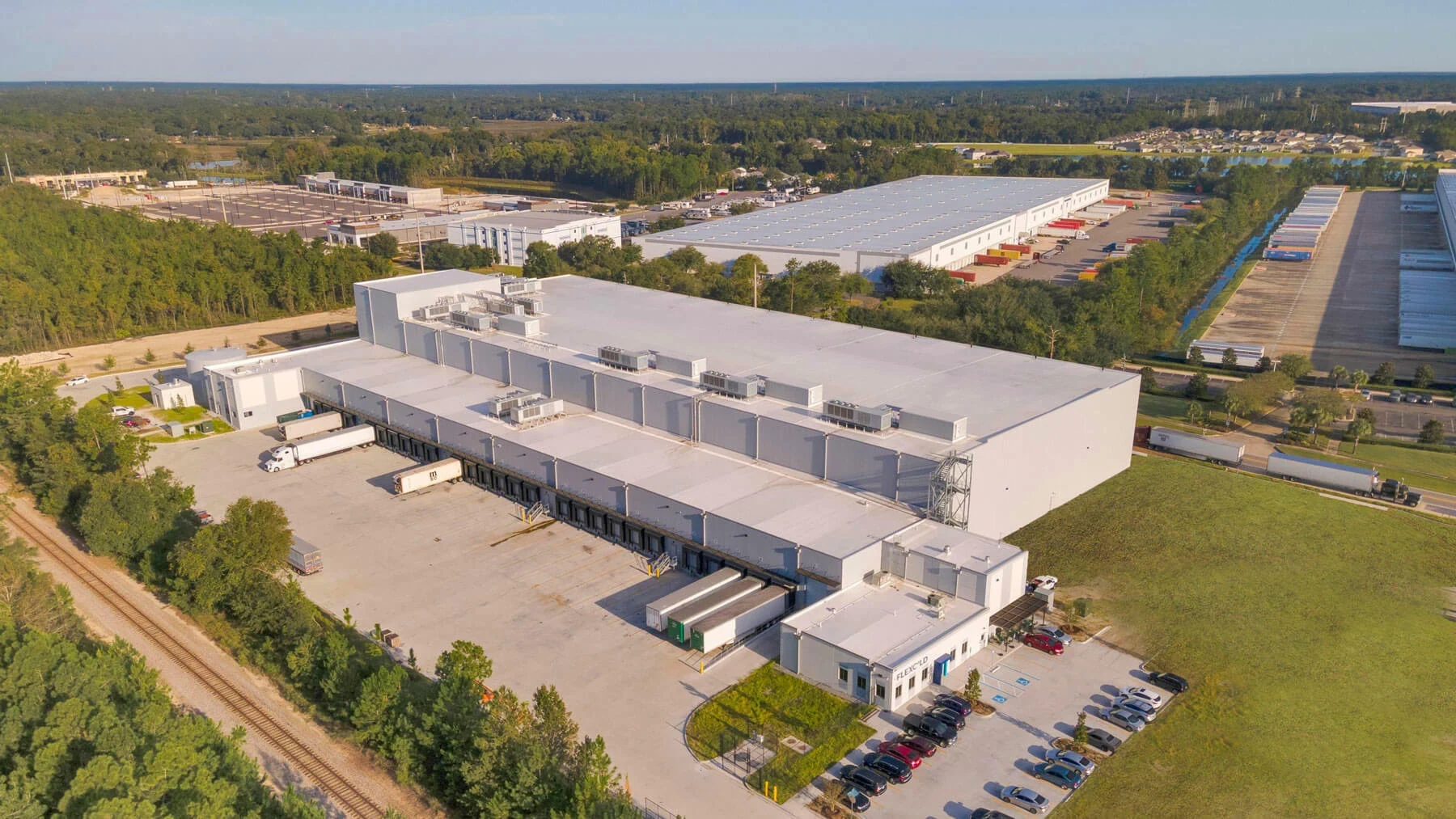
Every general contractor building in the eastern Inland Empire eventually needs a roofing sub they can trust on the critical path, whether it's a new distribution shell in Fontana, a tenant improvement in an existing Redlands industrial park, or a retail buildout in Rialto. We work new construction and TI roofing scopes as a subcontractor who understands that a late roof holds up every trade behind it.
What a Superintendent Actually Needs From a Roofing Sub
A project superintendent doesn't need a roofer who talks about membrane chemistry. They need dates that hold, a crew that shows up with the right material on the truck, and a foreman who flags problems before they become change orders discovered at closeout. We staff our GC work the same way we'd want to be staffed if the schedule were ours.
That means submittals go in early and get tracked against your approval timeline, not ours. It means we tell you the day we need dry-in complete for mechanical and electrical to start their rooftop work, and we hold that date or we tell you weeks ahead, not the morning of. Roofing sits in the middle of a lot of other trades' start dates, and we plan around that instead of treating it as someone else's problem.
Submittals, Specs, and Architect Coordination
New construction and larger TI work usually comes with an architect's roof spec, a manufacturer requirement for warranty eligibility, and sometimes an owner's rep who wants specific documentation. We turn submittals around fast because we've built the standard systems in this market, TPO, PVC, modified bitumen, standing seam, often enough that we know which manufacturers' paperwork moves quickly and which ones need extra lead time.
When a spec calls for a system we think is a poor fit for the building's use, say, a membrane rated for foot traffic on a roof that's going to carry a dozen RTUs and a catwalk, we say so in writing before bid, not after installation. Change orders discovered mid-project cost everyone money and burn trust with the owner. We'd rather flag it during preconstruction.
Coordinating a Roof With the Trades On Top of It
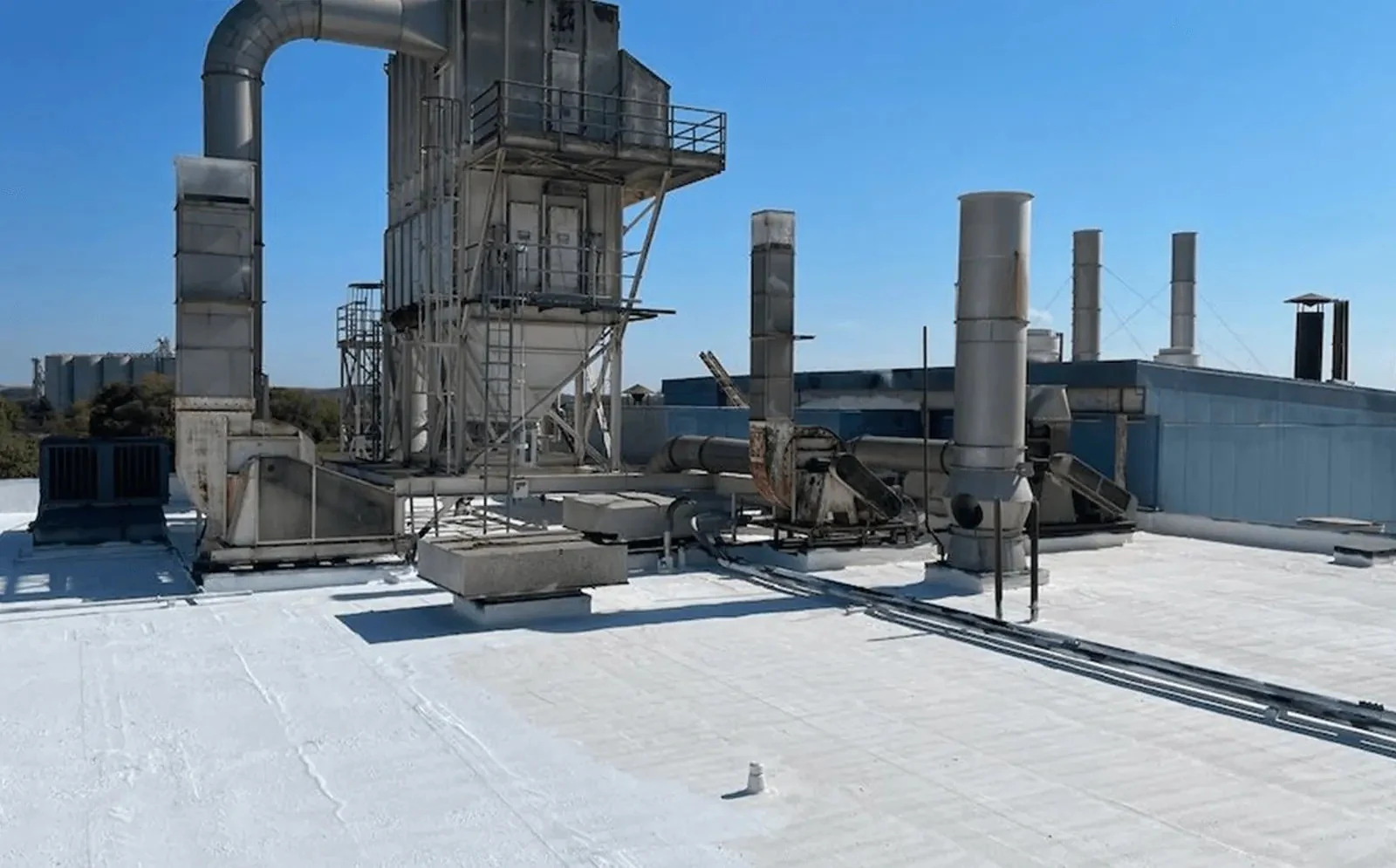
On a new industrial building, roofing rarely finishes and walks away. Mechanical is setting RTUs, electrical is running conduit, and sometimes solar or fire protection needs roof penetrations after we've already dried the building in. We build our sequence assuming other trades are coming back up, which means curb heights, flashing details, and walk pad layout get planned around the full rooftop equipment schedule, past the membrane install alone.
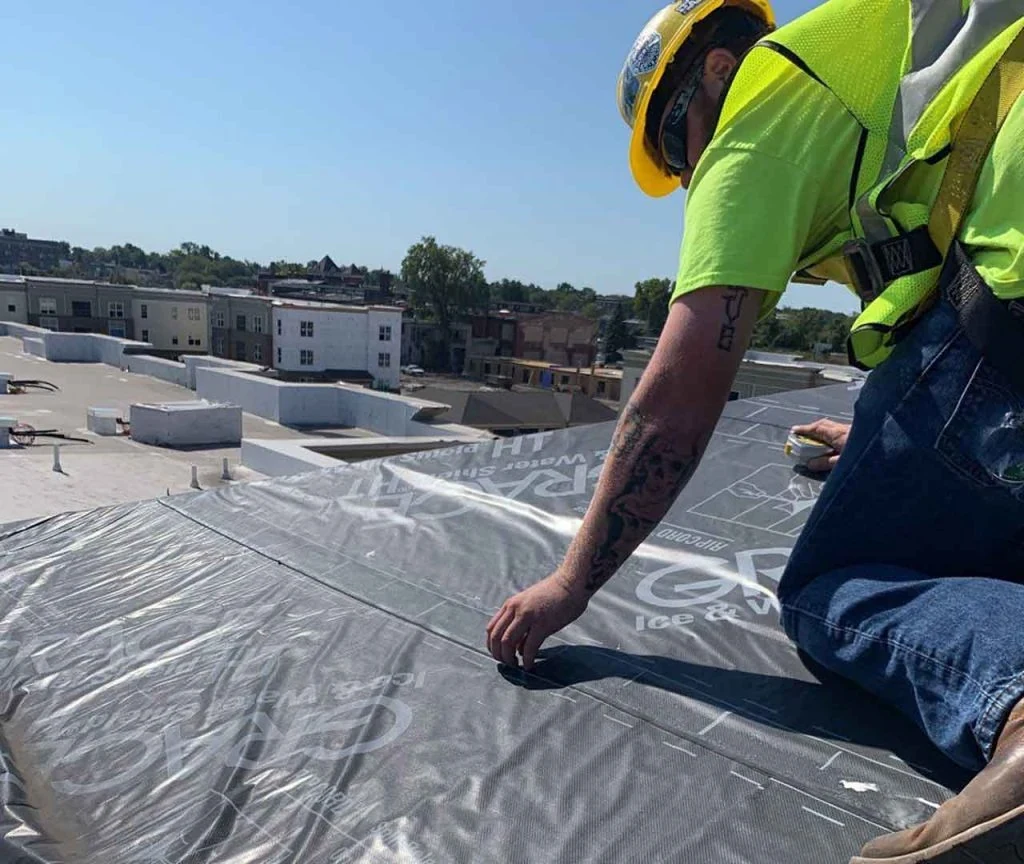
When a later trade cuts a new penetration into a roof we installed, we want to know before it happens so we can detail the flashing to match warranty requirements. A penetration cut without us and sealed with the wrong material is one of the most common ways a brand-new roof warranty gets voided in year one, and it's an argument nobody wants to have at project closeout.
What a GC Package Includes on Our Jobs
- Submittals and manufacturer warranty paperwork tracked against your approval schedule, not held until you ask
- A published dry-in date that other trades can build their start dates around
- Pre-bid flags on any spec mismatch between the roof system and the building's actual rooftop equipment load
- Coordination meetings with mechanical, electrical, and solar subs before any post-dry-in roof penetration
- Punch list turnaround inside the window your closeout schedule requires, not weeks after
- Complete manufacturer warranty registration and as-built documentation handed to you at closeout, ready for the owner
Weather and Schedule Risk in This Market
The desert-edge climate here is a genuine advantage for GC scheduling, long dry stretches, high UV but predictable heat, and a winter rain season that's short compared to most of the country. The risk is Santa Ana wind events, which can shut down crane work and open-membrane installation on short notice, and summer heat that limits adhesive and coating application to morning hours on the hottest weeks. We build both into our schedule commitments up front instead of discovering them as excuses later.
For TI and tenant buildout work specifically, most of our GC clients are working inside an occupied or partially occupied building, which changes the sequencing again, noise curfews, dust containment, and existing tenant operations all factor into when we can be on that roof. See our commercial reroofing and standing seam metal roofing pages for the systems we run most often on new build and TI work in this market.
Questions GCs Ask Before Bringing Us Onto a Job
Can you meet an aggressive dry-in date on a new industrial shell?
Usually, yes, if we're brought in during preconstruction rather than after the schedule is already locked. We staff crews against your critical path and tell you early if a date is unrealistic instead of agreeing to it and missing it.
Do you carry the insurance and bonding a GC contract requires?
Yes, and we provide certificates and bonding documentation as part of the bid package, formatted however your project's insurance requirements specify.
What happens if another trade needs a roof penetration after you've dried the building in?
We ask to be looped in before it's cut. A penetration flashed to match the roof system keeps the manufacturer warranty intact; one cut and sealed by another trade often doesn't, and that becomes a closeout problem for the owner.
How do you handle change orders when field conditions differ from the spec?
We document the discrepancy with photos and a written scope before doing extra work, and we price it against the original bid so the owner and architect can see exactly what changed and why.
Can you work on a tenant improvement inside a building that's still partially occupied?
Yes, and most of our TI work in Redlands and Rialto industrial parks happens that way. We coordinate access, noise windows, and containment with the property manager and existing tenants before mobilizing.