Roof Work That Survives a Food Safety Audit
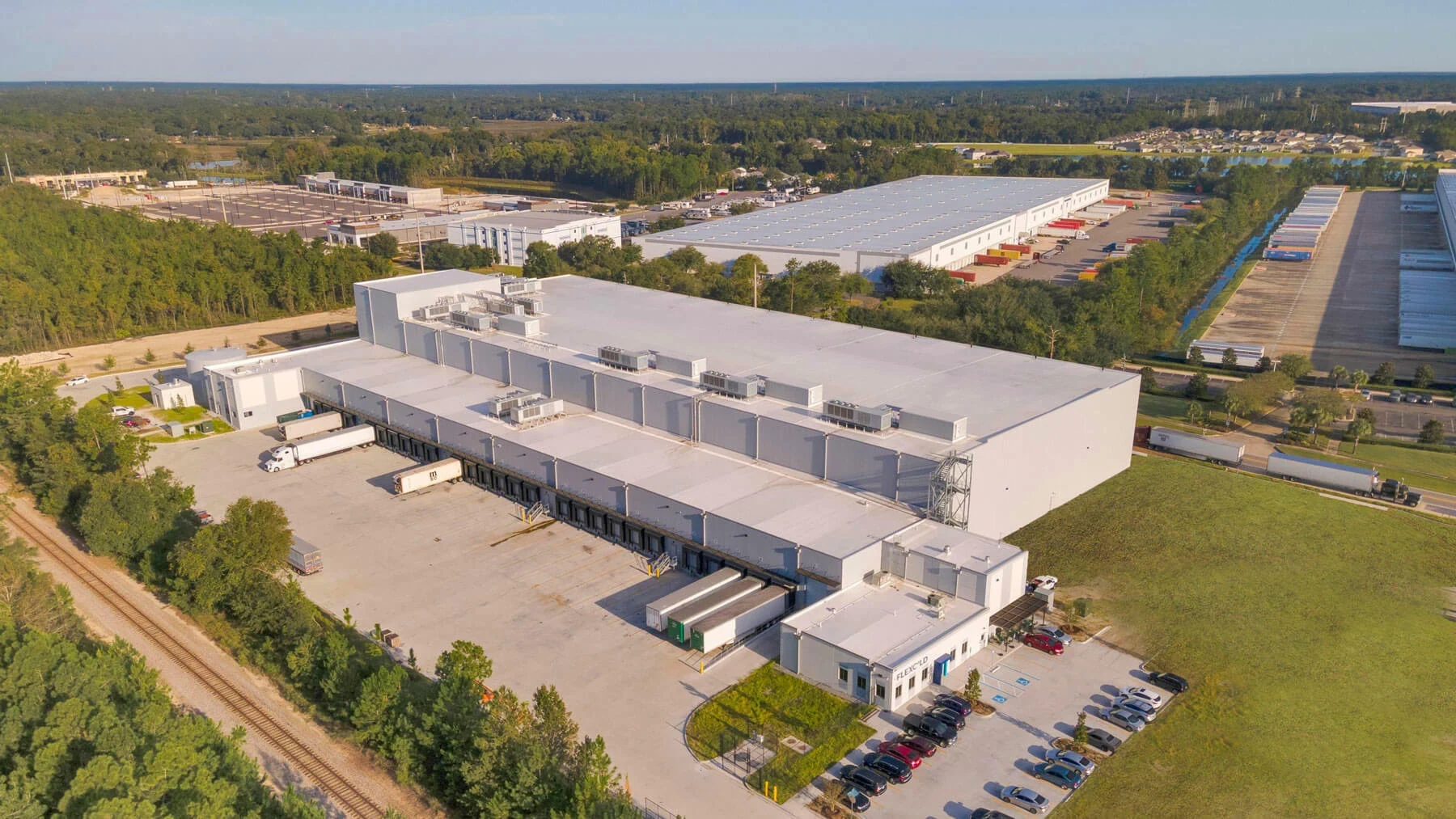
A roofer who does not understand food plants can cost you more in one afternoon than the repair was worth. We work for plant managers, QA directors, and cold storage operators around Colton, Fontana, and Rialto, where the region's food distribution concentrates near the rail crossings and the I-10 truck routes. Everything we do on your roof is planned around one fact: your auditors and your product are directly underneath us.
The People We Answer To at a Food Facility
At most plants, three people care about the roof for three different reasons. The plant manager cares about downtime. The QA director cares about contamination risk and the audit file. The maintenance lead cares about the freezer coils and the condensation nobody can explain. We write our scopes and reports so all three get what they need from one document.
That matters because roof problems at food facilities get discovered by the wrong people. A drip over a production line can trigger a hold on everything under it. Standing water on the roof shows up as a finding in a third-party audit even if the interior is dry. Our job is to make sure your roof never becomes the interesting part of an inspection.
Contamination Control Is the Whole Job
On a food plant roof, the work rules change. No loose fasteners, torn membrane scraps, or insulation dust left anywhere they could migrate to an intake. Debris containment on the deck and covered chutes on the tear-off. Glass is banned from our kits on these sites. We coordinate with your QA team before mobilization so our procedures slot into your food safety plan instead of fighting it.
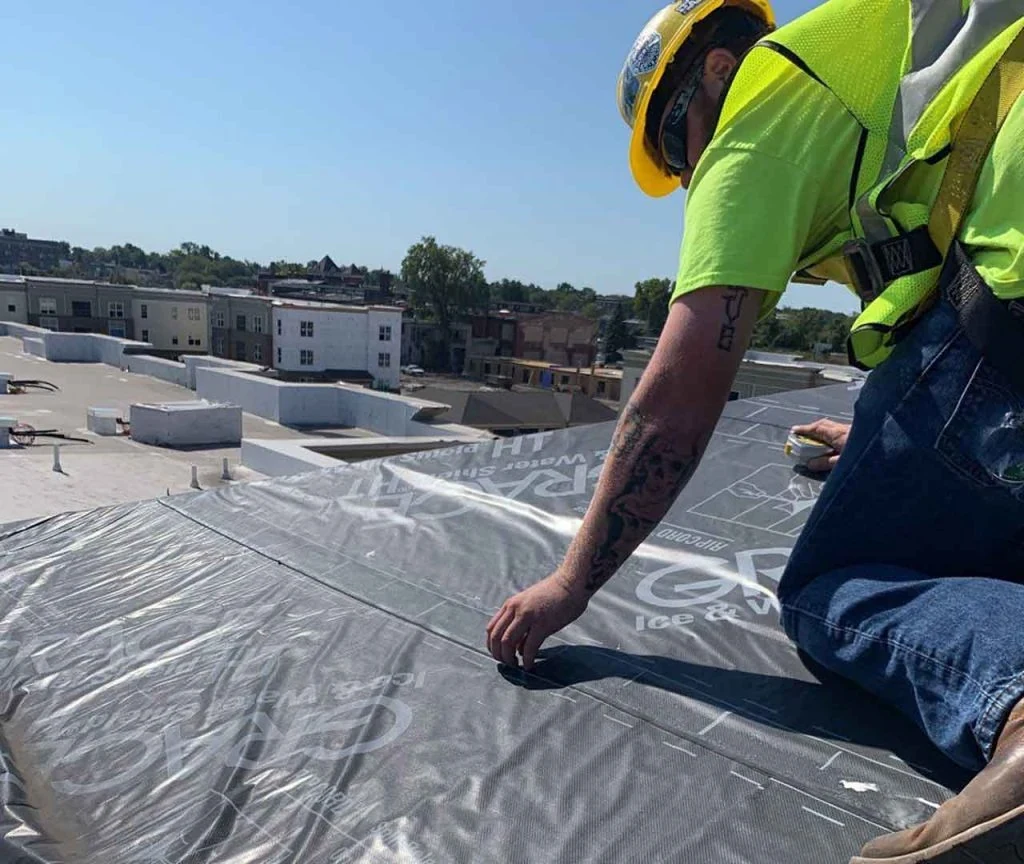
Odor is the issue nobody warns you about. Solvent-based adhesives and hot asphalt near a fresh-air intake can flavor product and force a shutdown. On occupied food plants we favor low-VOC adhesives, self-adhered membranes, or mechanically fastened systems, and we sequence work zones against your intake locations and prevailing wind. Out here that wind question is real, a Santa Ana afternoon will carry fumes a long way across a roof.
Freezer and Cooler Roofs Fail Differently
A roof over a minus-ten freezer in a hundred-and-five-degree San Bernardino summer is fighting a 115-degree temperature difference. Vapor drive pushes moist outside air toward the cold side, and any break in the vapor barrier loads the insulation with ice. The symptoms show up as frost on the underside of the deck, ice buildup at penetrations, and energy bills that creep up year over year as wet insulation stops insulating.
Repairing these roofs takes discipline. Cutting into a freezer roof without a plan for temporary vapor sealing makes the problem worse. We scan first, open small, and restore the vapor barrier continuity before closing, and we schedule the open-roof time so your refrigeration load never sees weather. Cold storage is expanding fast along the I-10 corridor, and a lot of it is conversion work on older shells that were never detailed for freezer service. Those roofs need eyes on them early.
Rules our crews follow on every food-facility roof:
- Pre-job coordination with QA on contamination, allergen, and access protocols
- Full debris containment and same-day removal, nothing stored overnight on the deck
- Low-odor materials and intake-aware sequencing on occupied plants
- Vapor-barrier continuity verified before any cold-side roof section is closed
- Photo documentation of every penetration and repair for your audit file
Scheduling Around Production, Sanitation, and Audits
Food plants do not stop for roofers. We build our schedule around yours: work over active lines happens during sanitation windows or scheduled downtime, loud work avoids the hours your team needs to hear alarms, and nothing happens during an audit week. Tell us your certification calendar and we will plan the year's roof work around it.
Weather adds its own calendar. The safe season for opening a food plant roof here is long, that is the advantage of a desert-edge climate, but summer heat compresses working hours, and the first winter storms tend to arrive fast off the Pacific. We aim to have every membrane repair and drainage correction done by late fall, because a plugged scupper found in January is an emergency, and the same scupper cleared in October is a line item.
When the Leak Has Already Happened
If water has reached product, packaging, or a production area, the sequence is: contain, protect, document, then repair. We rig containment and diversion above the affected zone, identify the entry point, and give your QA team dated photos and a written cause assessment for the incident file. The permanent fix gets scheduled for the next available sanitation window. For active weather events, our emergency dry-in crews stabilize the roof first and argue about permanent scope later.
Chronic leaks at food facilities usually trace to the same suspects: clogged drains under roof-mounted refrigeration, split flashings at pipe penetrations added after the original roof, and seams cooked brittle by UV. A standing maintenance program catches all three for less than one product hold costs.
Cold Storage and Plant Questions We Get
Can you work over an operating production line?
Directly over an active line, no, that zone gets worked during sanitation or downtime windows. Adjacent zones, yes, with containment in place. We split the roof into work areas mapped against your floor plan and agree on the sequence with your plant manager before we start.
Will roofing odors affect our product?
Handled wrong, they can. We select low-VOC systems for occupied plants, sequence work downwind of intakes, and coordinate temporary intake management with your maintenance team when a stronger-smelling material is unavoidable.
Our freezer ceiling shows frost. Is that a roof problem?
Often, yes, frost usually means outside moisture is getting past the vapor barrier, and the roof assembly is a common entry path. We investigate with moisture scans and small test cuts rather than guessing, because freezer roof repairs done blind tend to chase the symptom around the deck.
What documentation do you provide for our audit file?
Dated inspection reports, photo logs of every repair, material data sheets, and a written maintenance history. Auditors want evidence the roof is managed, not perfect, we make sure the evidence exists.
Can roof work be scheduled entirely at night?
Yes, and at food plants it often should be. Night work also sidesteps the summer heat limits on adhesives and crew safety, so on hot-season projects it is frequently the better plan for everyone.