Standing Seam Metal Roofing for Architectural and Mountain Roofs
Standing seam metal isn't the roof you'll see across a distribution center field, but it shows up constantly on architectural fronts, canopies, and mountain-community commercial buildings across the county. This page covers where and why we install it.
Where We Install Standing Seam Around Here
Office entries, canopy structures, and mansard accent roofs on retail centers along the I-10 corridor use standing seam for its clean look and long service life. It's also the go-to system in the San Bernardino Mountains, Crestline, Lake Arrowhead, Running Springs, where actual snow load is a design factor, not a hypothetical.
On distribution and industrial buildings, standing seam typically appears on sloped sections rather than the main flat field, equipment screens, small additions, and architectural entry features that break up an otherwise flat roofline.
Concealed Fasteners and Why That Matters
Standing seam panels interlock at raised seams with the fasteners hidden underneath, rather than punched through the panel face like exposed-fastener systems. That keeps water off every fastener point and lets the panels expand and contract with temperature swings without stressing the attachment.
That thermal movement matters more here than people expect. A metal roof surface can swing more than 100 degrees between a cold mountain morning and full afternoon sun, and a concealed-fastener clip system is built to accommodate that movement without loosening or tearing at the panel.
Snow-Shed Panels for the Mountain Communities
Buildings around Lake Arrowhead Village and the Running Springs retail strip along Highway 18 need panels and seam profiles designed to shed snow load rather than trap it, along with snow retention systems where shedding onto a walkway or entrance below would be a hazard.
That's a different design conversation than anything on the valley floor, and it's one we have with owners in those communities specifically, rather than applying a one-size approach across the whole territory.
Access is different too. Getting equipment and material up the grade to Crestline or Twin Peaks takes more planning than a straightforward job on the valley floor, and winter weather windows narrow the calendar for exterior work considerably. We schedule mountain jobs around that reality rather than assuming a valley timeline applies.
Panel Gauge, Finish, and Wind Exposure
Panel gauge and clip spacing get adjusted for wind exposure, particularly on buildings that catch Santa Ana wind funneling through canyon terrain or exposed ridgelines. A panel and clip system rated for a sheltered urban lot isn't necessarily right for a building sitting exposed on a mountain grade or open desert-facing slope.
Finish selection matters too, a quality Kynar-based finish holds color and chalk resistance far longer under sustained UV exposure than a lesser paint system, which is worth the upcharge on a roof meant to last decades.
Tying Standing Seam Into Low-Slope Membrane
Plenty of buildings combine a low-slope TPO or EPDM field with a standing seam architectural feature at the entry or parapet. Those transitions need proper flashing details where two very different systems meet, and we treat that intersection as its own detail rather than an afterthought once the main roof work is done.
We also get called to standing seam roofs that were installed correctly but are now shedding water onto a lower single-ply section that wasn't designed to handle the extra volume. Correcting that usually means adding a cricket or diverter rather than replacing either roof system, and it's a detail that gets missed on a lot of original designs.
- Architectural office entries and canopies
- Mountain-community retail centers and lodges
- Mansard accent roofs on retail strips
- Rooftop equipment screen walls
- Dormers and small-slope additions
- Agricultural and outbuilding structures
Common Questions on Standing Seam
Is standing seam worth the extra cost over R-panel?
For architectural visibility, mountain snow-load conditions, or long-term low-maintenance performance, yes. For a utility building where appearance and fastener exposure don't matter as much, R-panel is often the more practical choice.
Can standing seam handle heavy snow load in Crestline or Lake Arrowhead?
With the right panel profile, clip spacing, and snow retention design for the specific building, yes, that's a core part of what we spec differently for mountain-community jobs.
How long does a standing seam roof typically last?
With a quality finish and proper installation, these systems are built for multi-decade service, well beyond what most single-ply membranes are expected to provide.
Do you repair standing seam roofs or only install new ones?
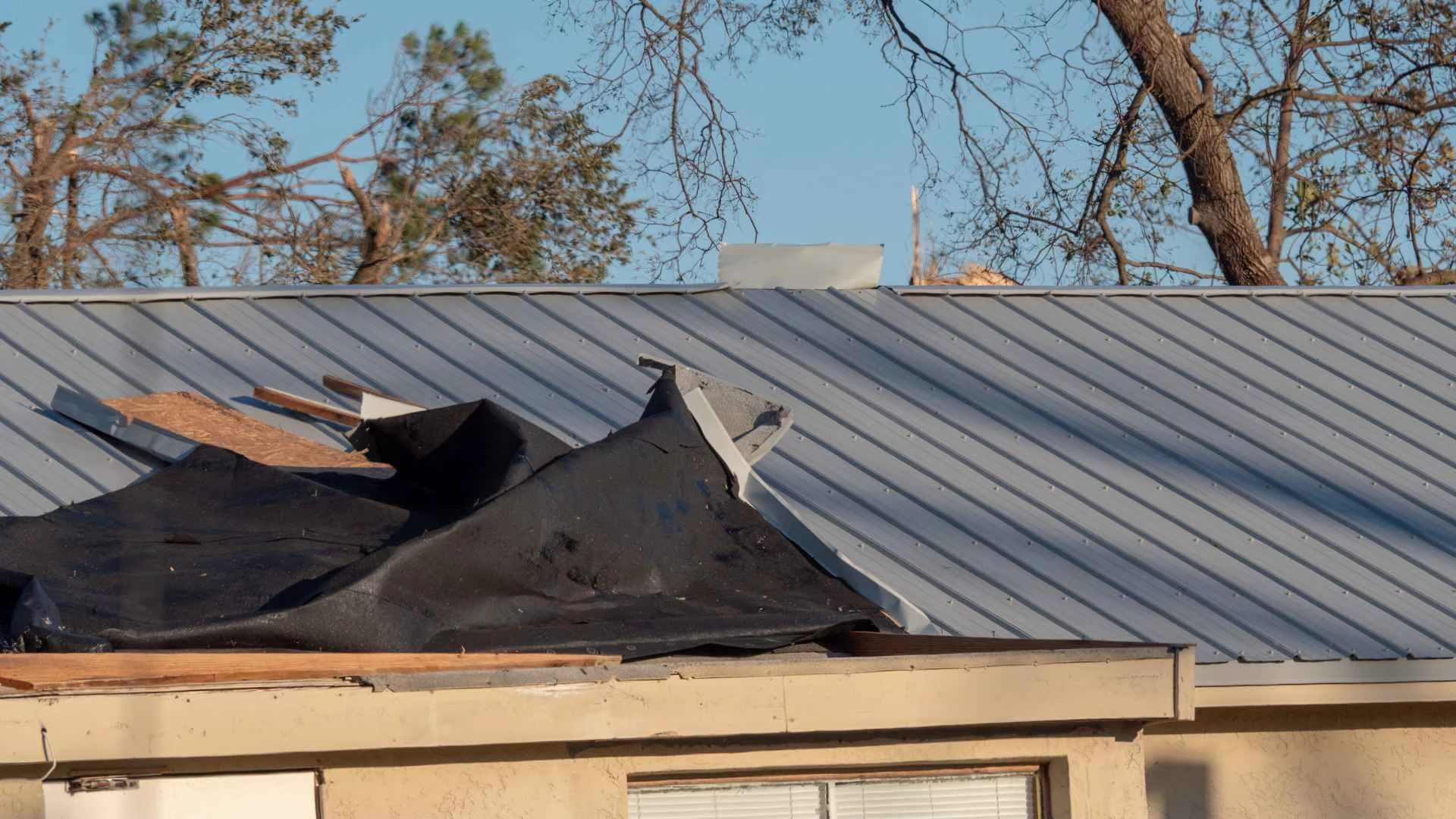
Both. Panel replacement, clip repair, and seam resealing are common calls on older standing seam roofs, particularly after a wind event loosens a panel edge.
Can you match an existing standing seam profile for a partial repair?
In most cases yes, though on older or discontinued profiles we sometimes need to source a compatible panel rather than an exact match. We confirm that during the site visit.