Roofing for Logistics and 3PL Operators in the Inland Empire
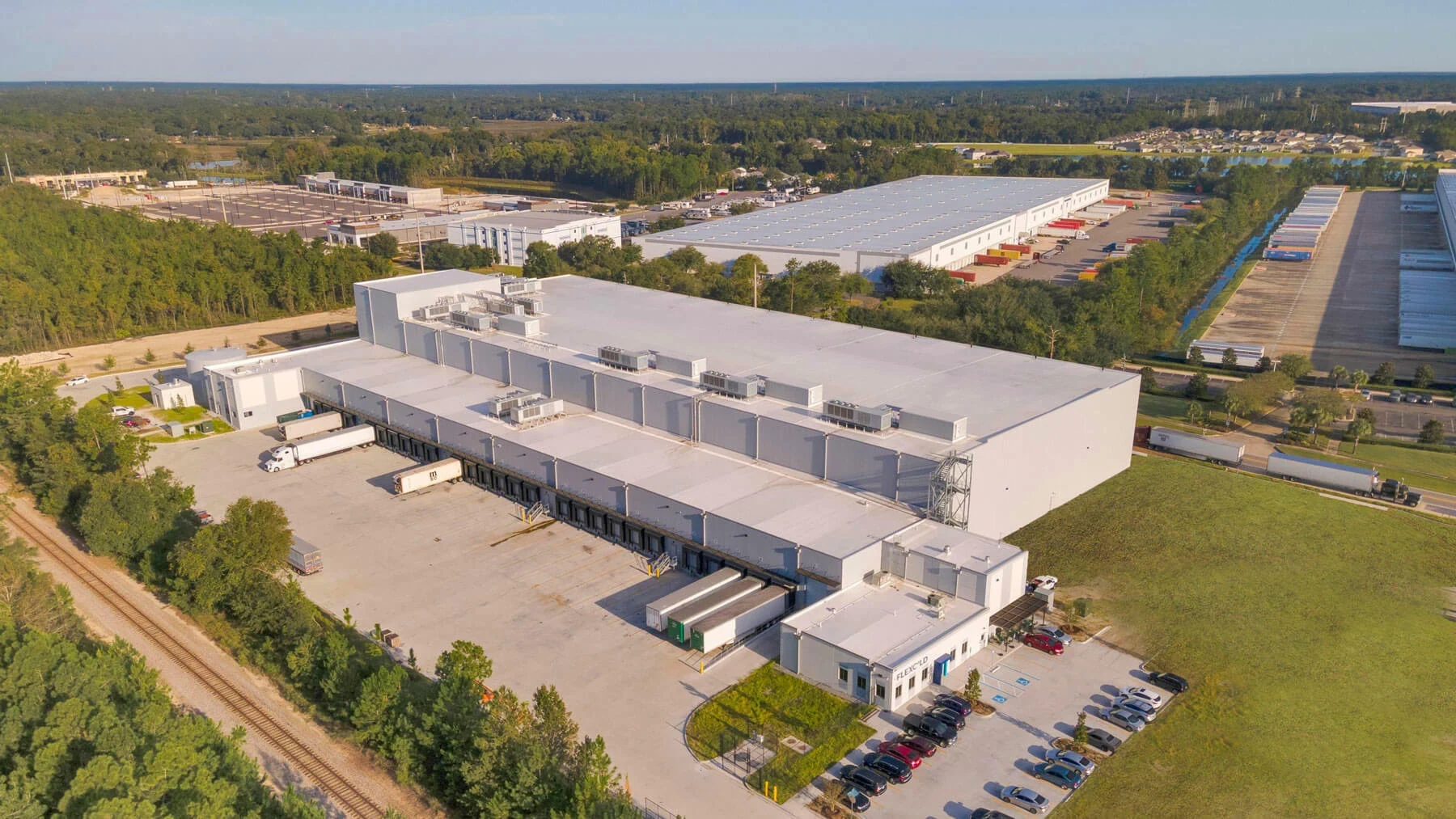
The eastern Inland Empire moves more freight than any industrial market in the country, and every pallet of it sits under a flat roof. We work for the 3PL operators, fulfillment tenants, and logistics facility teams who run those buildings along I-10 and I-215. Our job is to keep water off your inventory without stopping your operation to do it.
Who Calls Us From a 3PL
Usually it is a facility manager responsible for one to five buildings, or a regional FM covering the whole Southern California footprint from somewhere else. Sometimes it is an ops manager who found water on the pick floor at 4 a.m. and needs someone on the roof before first sort. Either way, you are not a roofing expert and you should not have to be one.
What you need from us is simple. Show up when we say we will. Explain the problem in plain terms with photos. Give you a number that holds. Then do the work without disrupting inbound or outbound. That is the whole relationship, and we treat it that way.
We also know your reporting lines. The leak is your problem at 4 a.m., but the invoice may belong to a landlord, a corporate account, or a national FM platform. We write our documentation so it survives that handoff without you re-explaining it three times.
A Drip Over a Pick Module Is Not a Small Leak
In an office building, a ceiling stain is cosmetic. Over racking, a slow drip ruins cartons on the top three levels before anyone sees it. Over a conveyor or sortation line, water hits electronics and the outage costs more per hour than the roof repair. We triage 3PL leaks with that math in mind.
First move is containment and diversion, not demolition. We trace the water path on the deck, get temporary catchment rigged where product is exposed, and mark the entry point from above. Then we schedule the permanent repair for a window your shift leads approve. If the membrane is too far gone for spot repair, we say so and show you the core cuts that prove it.
Lease Language Decides Who Pays for the Roof
Most big boxes in Fontana, Rialto, and Redlands run on triple-net leases where the tenant maintains and the landlord replaces. The fight starts when nobody agrees on which category a failing roof falls into. We do not take sides. We document condition, moisture scans, core samples, seam probes, photo logs, so the facts are on paper before the lawyers get involved.
For tenants, that record proves you maintained the roof as the lease required. For owners, it establishes a baseline at move-in and move-out. We have watched six-figure disputes settle quickly because someone had two years of dated inspection reports, and we have watched them drag because nobody did.
Here is what a logistics account with us typically includes:
- Semiannual inspections timed before and after the Santa Ana wind season
- Photo-documented condition reports written for landlord and corporate review
- A standing emergency dispatch protocol with your badging and check-in rules on file
- Leak-response containment over racking and equipment before permanent repair
- Debris and drainage clearing so scuppers and drains stay open ahead of winter rain
- Budget forecasting that flags sections approaching replacement years in advance
Santa Ana Wind Versus 800,000 Square Feet of Membrane
Wind is the roof killer in this market. Santa Ana events funnel through the Cajon Pass and hit the warehouse corridors at highway speed, and a big flat roof takes the worst of it at corners and perimeter zones. A ballasted or poorly fastened membrane starts fluttering, seams work loose, and the next event peels a section back like a lid.
On the buildings we maintain, we walk the perimeter securement, edge metal, and coping after every significant wind event. Loose termination bar and lifted corner flashing are cheap fixes the week they happen and catastrophic ones six months later. The desert sun does the slower damage, UV cooks unprotected seams and dries out sealants, so our summer inspections focus on membrane surface condition while the fall visit is all about wind readiness.
Working a Roof Over a Live Operation
We plan roof work the way you plan a peak-season ramp. Tear-off and staging get scheduled against your dock schedule, not ours. Kettles and adhesives stay away from air intakes so your floor does not smell like a roofing job. Crews badge in under your protocol, stage in the zones you assign, and clear the deck before your shift change if that is what the site rules say.
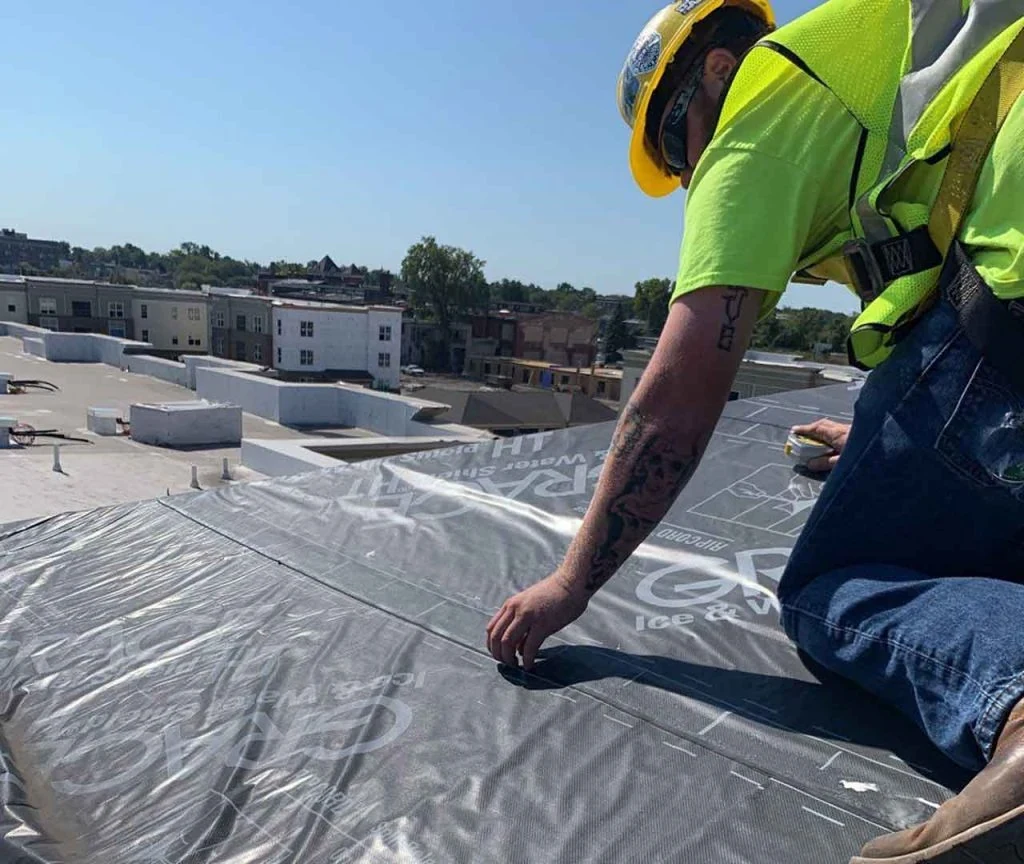
On occupied recover projects we work in sections, so any given area is watertight before we leave it each day. If your building is a candidate for an overlay instead of a tear-off, that is usually the right call for an operating 3PL, less noise, less debris, no open deck over inventory. See roof recover and overlay for how we make that judgment.
Questions 3PL Facility Managers Ask First
How fast can you get on the roof when we find a leak?
We dispatch from within the market, not from Los Angeles or Orange County. For active leaks over product or equipment we treat it as an emergency: containment first, tracing second, permanent repair scheduled once your operations team signs off on the window.
Can you work while the building is running?
Yes, and almost all of our logistics work happens that way. We coordinate with your safety lead on access, staging, and hot-work rules, and we schedule loud or odor-producing work for the windows you give us, including nights and weekends.
Our lease says we maintain the roof. What does that actually require?
Usually documented periodic inspections, prompt repairs, and keeping drainage clear. We set up a maintenance file that shows all three, so at lease-end you are not arguing about condition from memory. Our maintenance programs exist for exactly this.
The landlord says the roof is fine. Our floor is wet. Now what?
We inspect and document what we find, entry points, moisture extent, probable cause, and give you a report you can put in front of the landlord or their roofer. Facts on paper move those conversations faster than phone calls do.
Do you handle multiple buildings under one account?
Yes. Most of our logistics clients run portfolios, not single sites. One contact, one reporting format, one dispatch protocol across every building you control in the San Bernardino and Riverside corridors.