Recover and Overlay Systems: Roofing Over What's Already There
A recover means installing a new roof membrane directly over an existing roof assembly instead of tearing it down to the deck first. It's not the right move for every roof, but on the right building it saves real time and money without cutting corners on the result.
What a Recover Actually Involves
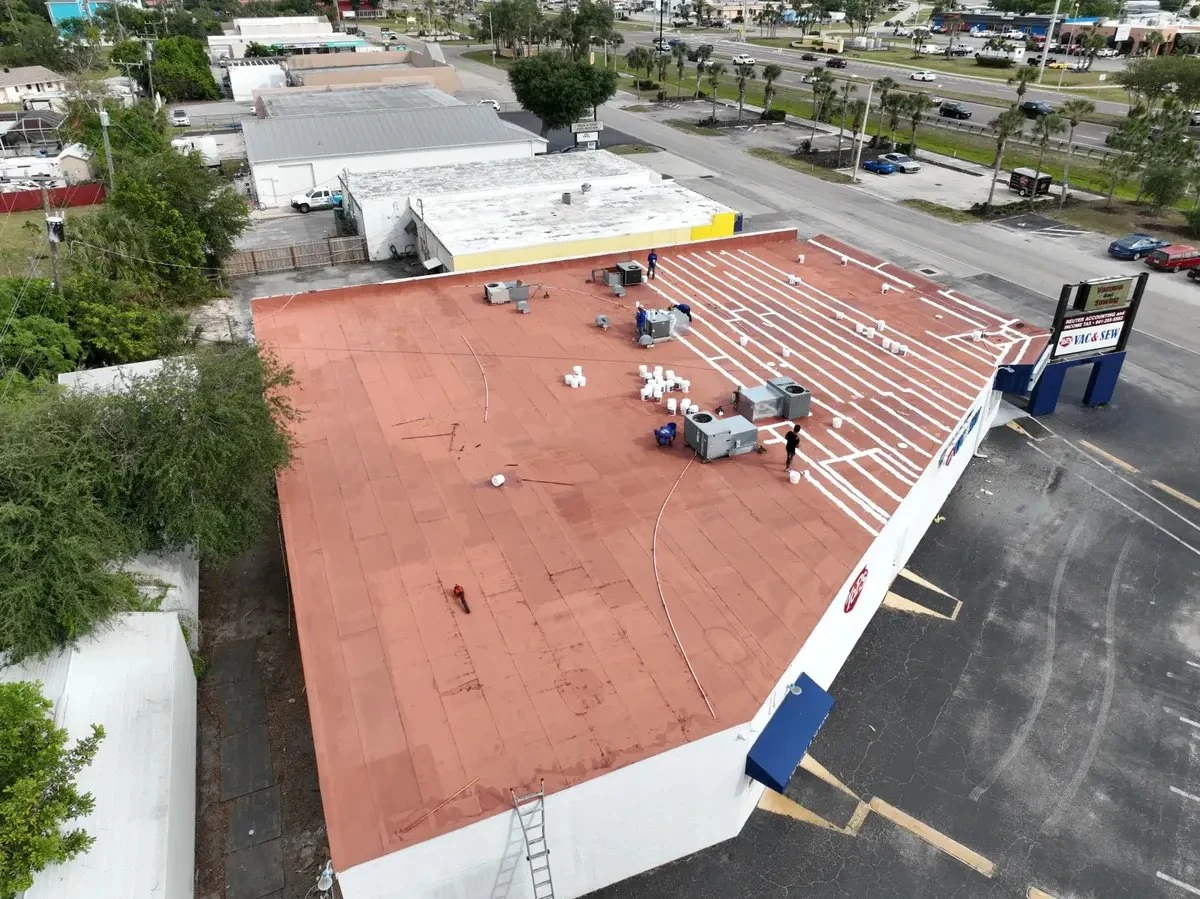
In a typical recover, we install a new membrane, usually TPO, over the existing roof surface, sometimes with an added insulation or cover board layer in between depending on the condition and slope of what's already there. The old roof stays in place as a base rather than going to a landfill.
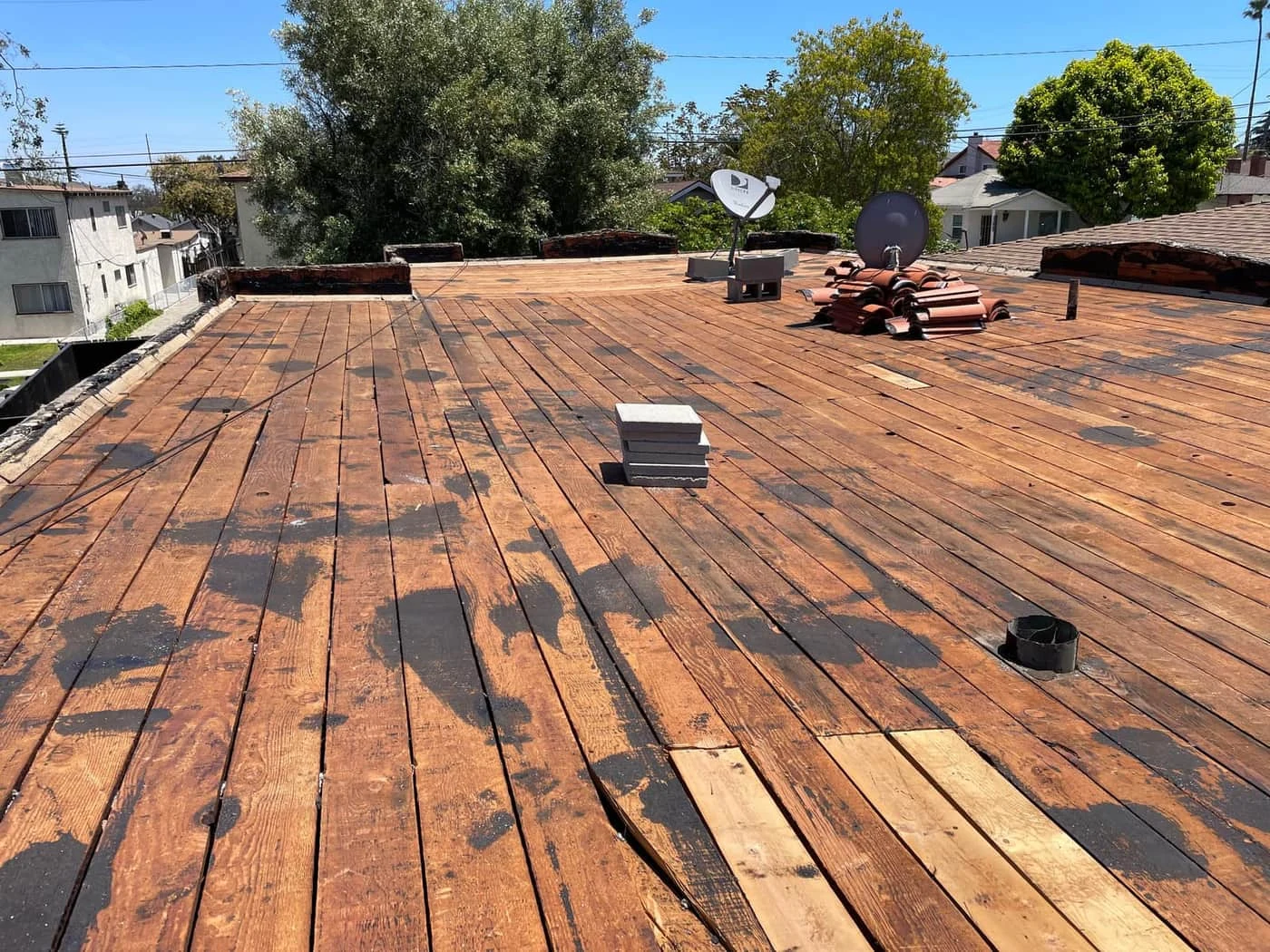
That approach keeps the building weathertight throughout the project and cuts labor and disposal costs compared to a full tear-off, which matters on large distribution center roofs where those costs scale fast.
When Code Allows It (and When It Doesn't)
Building code limits how many existing roof layers can stay in place before a new one goes on top, and that limit varies by jurisdiction and roof assembly type. A roof that's already been recovered once before may be at or past that limit, which forces a tear-off regardless of what condition the roof is otherwise in.
We check layer history and confirm code compliance before ever proposing a recover, rather than assuming it's an option and finding out otherwise partway through permitting.
Moisture Surveys Before We Commit to a Recover
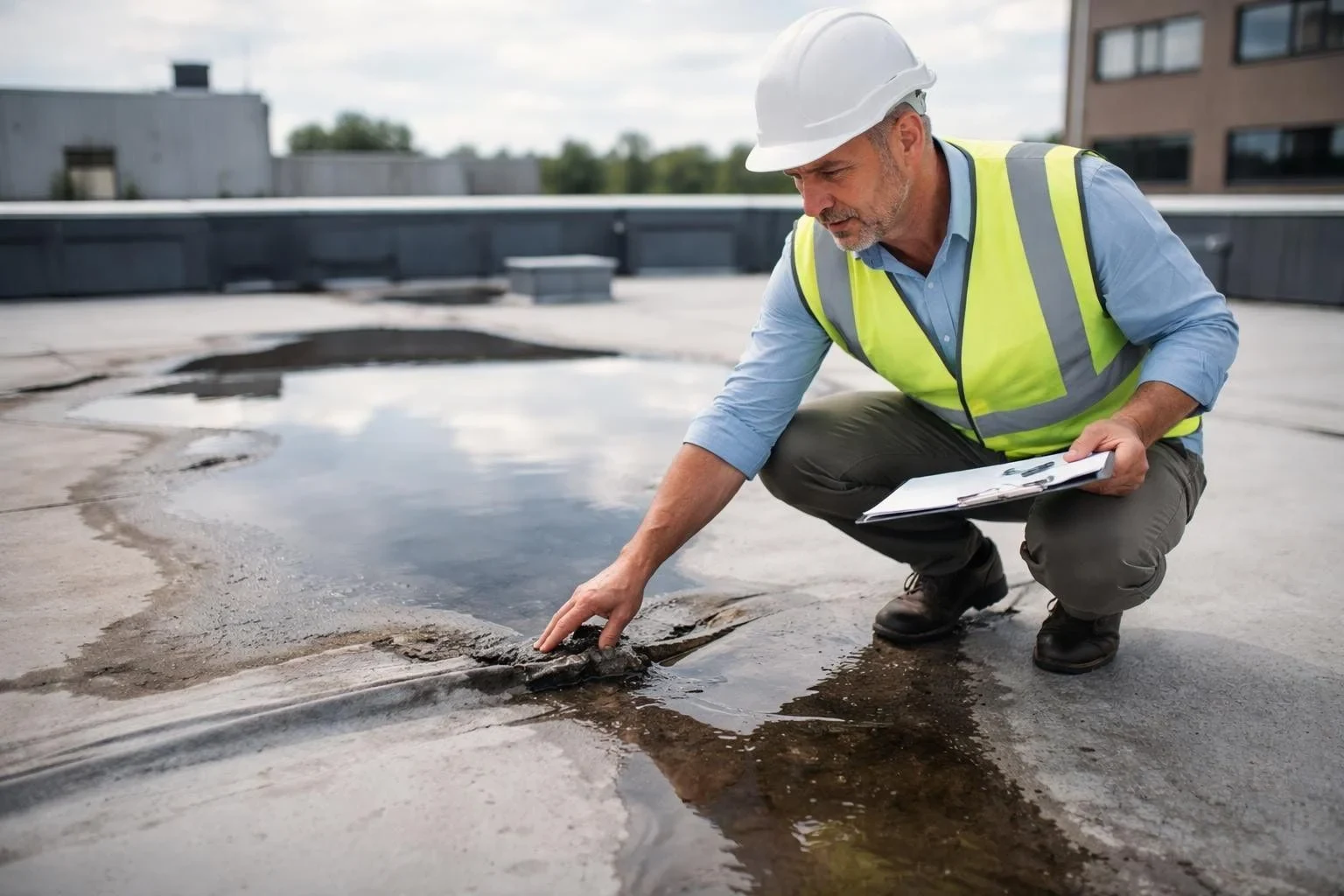
A recover only makes sense over a dry roof. We run an infrared or core-sample moisture survey across the existing roof before recommending this path, since trapping wet insulation under a brand-new membrane just hides the problem instead of solving it.
If the survey comes back wet in isolated spots, we can sometimes cut out and replace just those sections before recovering the rest. If it comes back wet broadly, recover is off the table and we move to a tear-off conversation instead.
Infrared surveys work best early in the morning or after sunset, once the roof surface has had time to cool evenly, which is why we schedule that part of the work outside normal daytime hours on larger buildings. Getting a clean read matters more than getting it done during a convenient window.
Tapered Insulation: Fixing Drainage During a Recover
A recover is also the right time to correct drainage problems that have plagued a roof for years. Adding tapered insulation during the recover directs water toward the drains properly, something that's much harder to retrofit once a flat membrane is already installed and sealed.
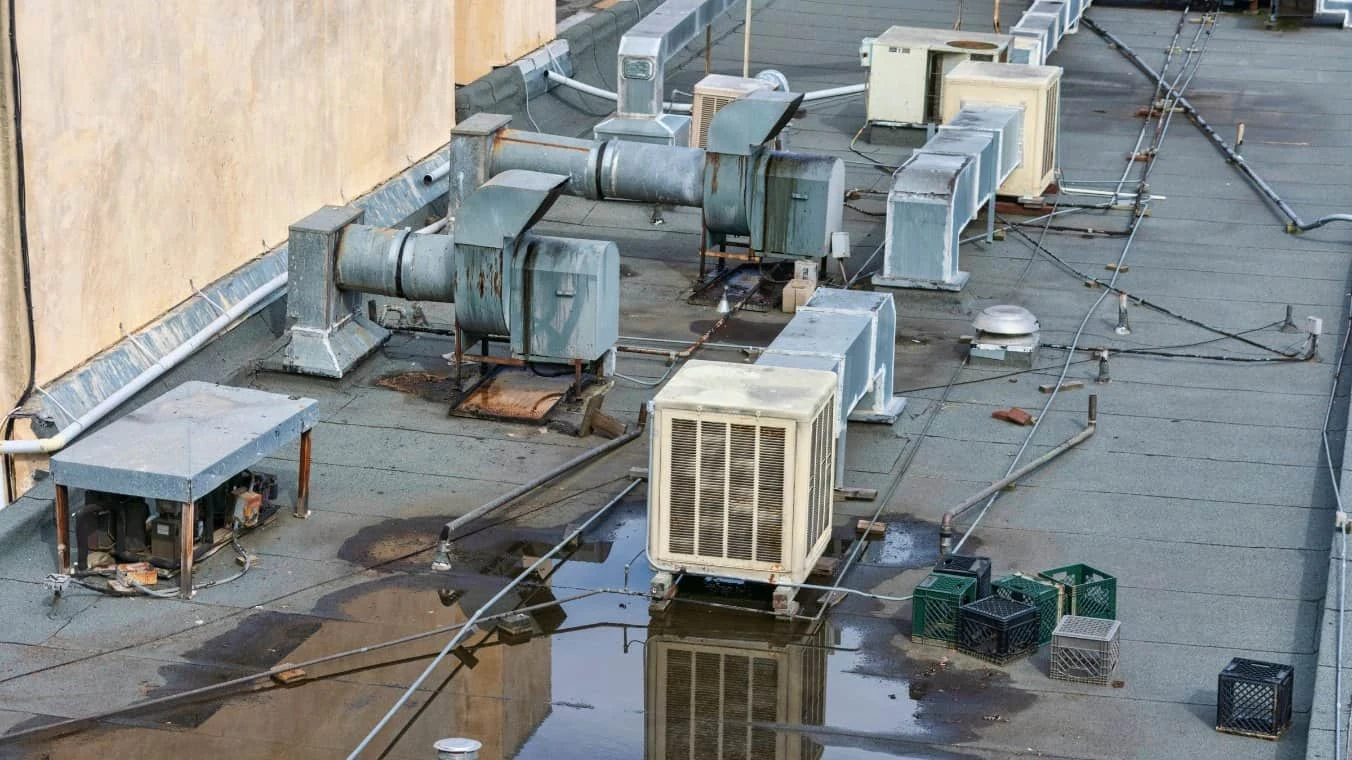
We see this most often on older distribution center roofs where the original deck was poured flat with no built-in slope, leaving ponding water as a permanent feature until someone finally corrects it during a re-roof.
- Deck moisture scan comes back dry
- Existing layer count falls within code limits
- Structural deck sound under the existing membrane
- Drainage issues correctable with tapered insulation
- No widespread blistering or wet insulation pockets
- Insurance and warranty terms compatible with an overlay
Recover vs Tear-Off: The Real Trade-Off
Cost and downtime favor recover when the roof qualifies. Tear-off costs more and takes longer, but it's the only honest option once moisture, layer count, or structural condition rules a recover out.
We give owners both numbers side by side rather than pushing whichever option is more profitable for us. On a warehouse roof running full operations underneath, minimizing disruption is often just as important to the owner as the dollar figure on the estimate. See our TPO membrane page for the system we install most often in a recover.
Questions Owners Ask About Recover Projects
How do you know if my roof qualifies for a recover instead of tear-off?
It comes down to three things: a dry moisture scan, an existing layer count within code limits, and a structurally sound deck. We confirm all three before recommending either path.
Does a recover fix ponding water problems?
On its own, no, but we can add tapered insulation during a recover to correct drainage permanently, which is often the most practical time to fix it.
Is a recover as durable as a full tear-off and replacement?
When the existing roof qualifies and the new membrane is properly installed, a recover performs just as well as a fresh install on a torn-off deck. The difference is what's underneath, not the new membrane's own service life.
How much faster is a recover compared to full tear-off?
Timelines vary by building size, but skipping demolition and disposal typically cuts project duration meaningfully, which matters most on large occupied warehouse roofs.
What happens if you start a recover and find wet insulation?
We stop, isolate the wet area, and discuss options, cutting out and replacing just that section, or shifting the whole project to a tear-off if the moisture turns out to be widespread.