Documenting Roof Damage So the Claims Process Actually Moves
An insurance claim on a commercial roof usually stalls for one reason: the adjuster and the owner are working from different information. We put together the documentation that closes that gap, photos, measurements, and a plain written scope, for buildings across San Bernardino, Yucaipa, Beaumont, and the I-10 pass corridor where wind claims are common. This page covers the documentation piece specifically; for the fuller picture of how a commercial roof insurance claim comes together on this roof, see our claims overview.
What Documentation Actually Needs to Show
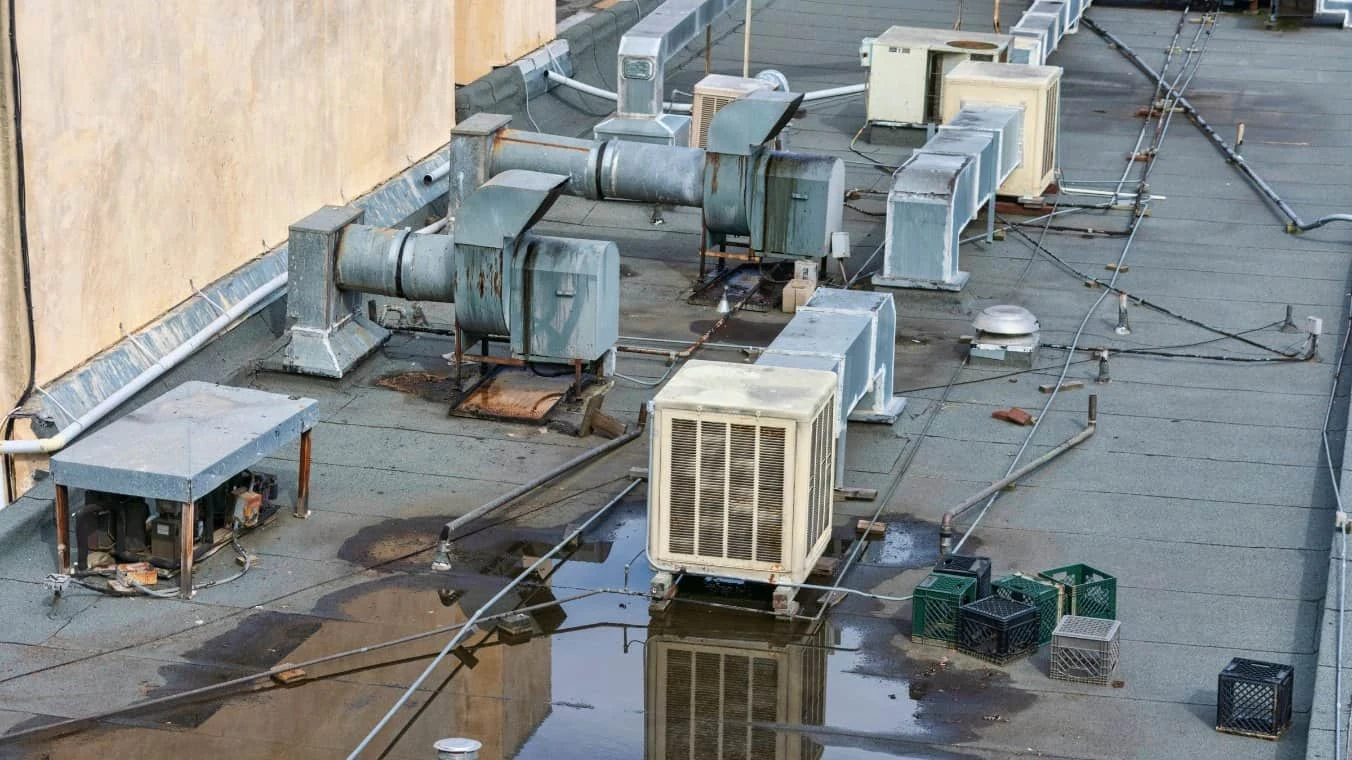
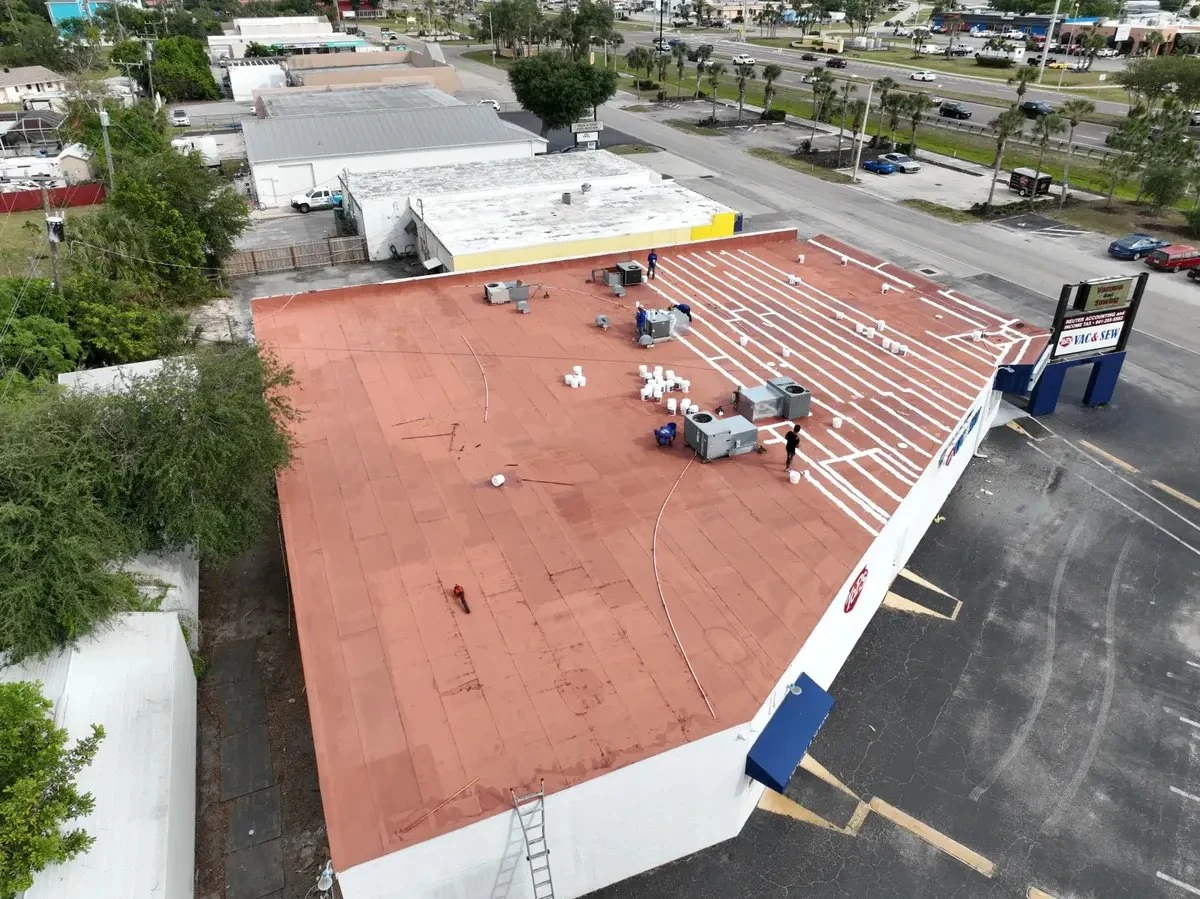
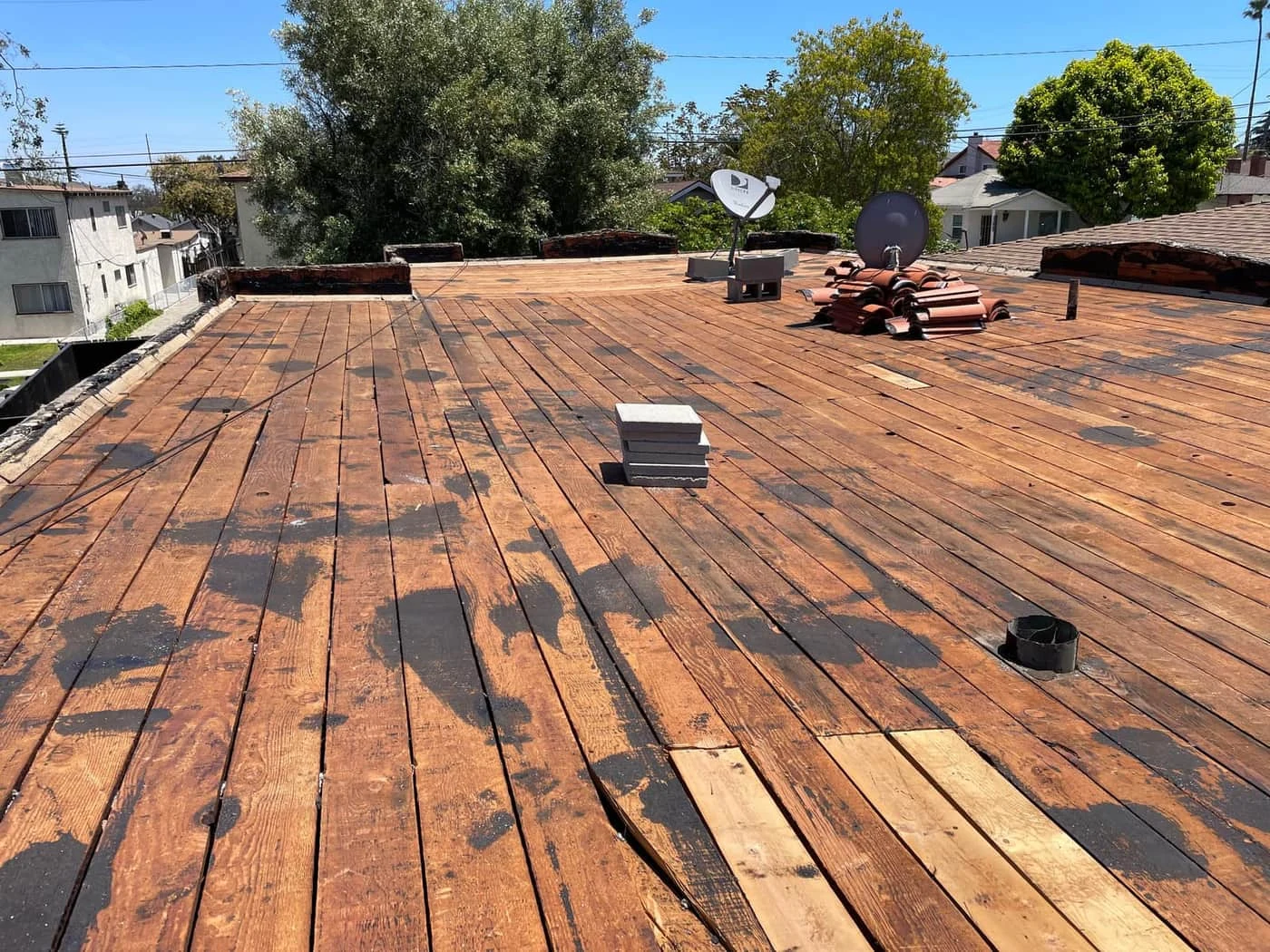
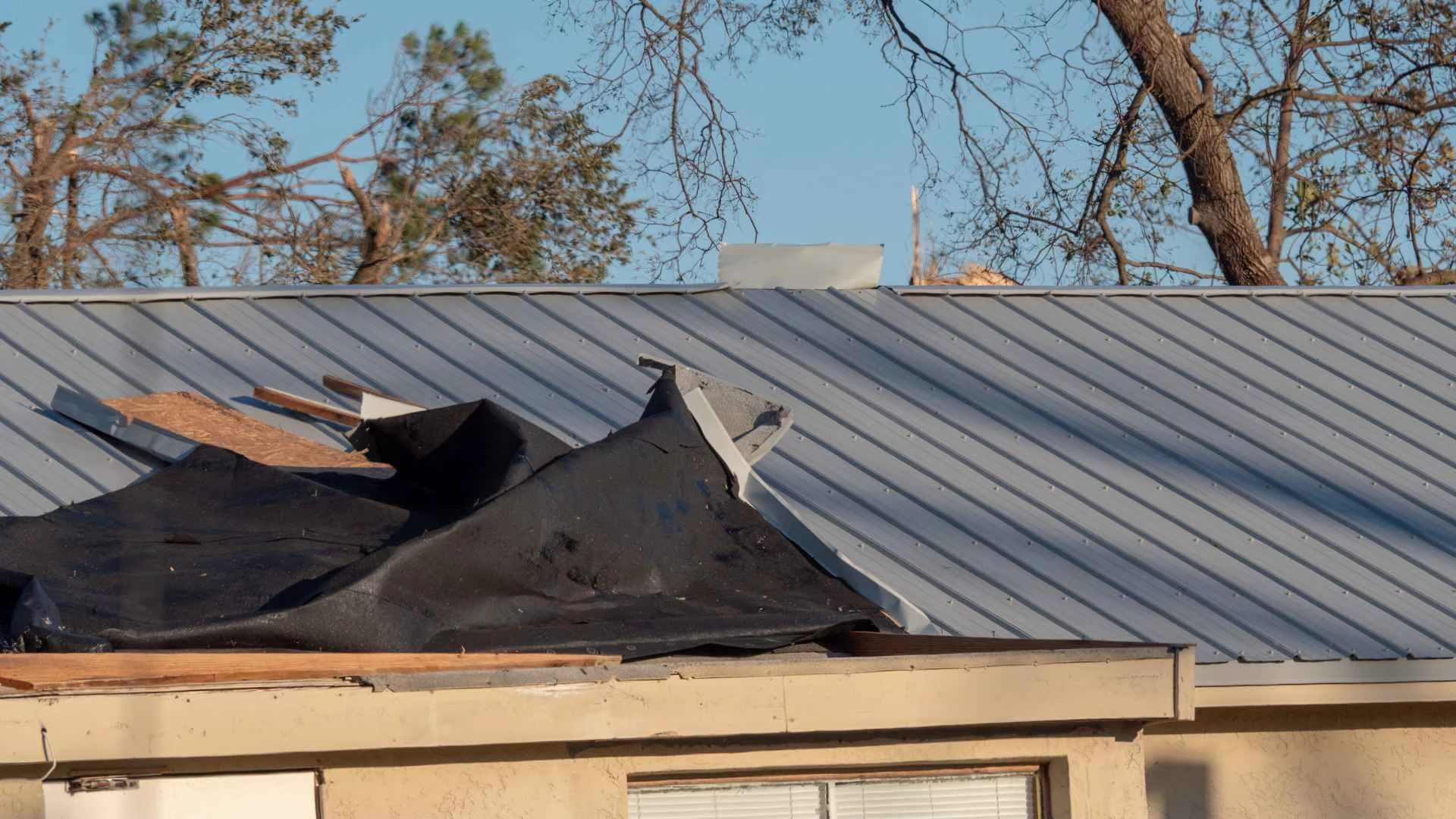
An adjuster reviewing a wind or storm claim needs to see three things clearly: what the damage is, where it is on the roof, and what caused it. We photograph systematically, working the full perimeter and field in a pattern that can be reconstructed later, not a handful of close-up shots that are hard to place on the roof once the file is a month old.
We measure affected areas rather than estimating them by eye. A repair scope built on actual square footage of damaged membrane holds up under review far better than a rough estimate, and it usually moves the claim faster because the adjuster isn't left guessing whether the number is padded or accurate.
We also separate storm-caused damage from pre-existing wear in the write-up. Insurers push back hard on claims that mix the two, and being upfront about which sections were already aging before the storm event actually strengthens the credibility of what we're claiming was storm-caused.
Wind Claims Along the Pass Corridor
Beaumont and Banning sit right where Santa Ana wind funnels through the I-10 pass, and buildings there see wind and storm claims more often than almost anywhere else in the market. Because these events are frequent, we know what an adjuster reviewing a pass-corridor wind claim expects to see and we build documentation around that, including wind speed data for the event date where it's available and relevant to the claim.
Retail strips and small commercial buildings in Yucaipa's Uptown district often have older roofs that were already showing wear before a wind event finished the job. We're direct about that distinction in the documentation, because a claim that acknowledges pre-existing condition honestly gets a better outcome than one that tries to claim everything as storm damage and loses credibility over one exaggerated item.
Working the Adjuster Walkthrough
When an adjuster wants to walk the roof in person, we're on-site with them, not sending the owner up alone to answer technical questions they haven't been trained on. We point out exactly what we documented, why we characterized certain damage as storm-related, and answer roofing-specific questions the way another roofer would understand rather than translating everything into insurance language after the fact.
We keep our own documentation organized the same way regardless of whether the adjuster agrees with every item on first pass. A well-organized file makes it much easier to respond to a partial denial or a request for more information, since we're not scrambling to reconstruct records after the fact.
What We Never Do
We're your roofing contractor, not a public adjuster, we document and substantiate the roof damage so you and your adjuster work from an accurate, complete scope.
We don't promise a claim outcome. No contractor controls what an insurance company approves, and anyone who tells you otherwise before the adjuster has even seen the roof is guessing. What we control is the quality and honesty of the documentation, and that's what we focus on.
We also don't inflate scope to match a number. If the actual damaged area is a section of the east perimeter and not the whole roof, that's what the documentation says, even when a bigger number might sound better in the short term. Overstated claims get flagged by insurers and can slow down or jeopardize the legitimate portion of a claim.
What our documentation package for a storm claim includes:
- Systematic photo record covering the full roof, including areas beyond the visibly damaged sections
- Measured square footage of affected areas rather than visual estimates
- Written scope separating storm-caused damage from pre-existing condition
- Weather event data for the claim date where relevant and available
- On-site presence during the adjuster walkthrough to answer technical questions
- Organized file structure for responding to follow-up requests or partial denials
After the Claim Settles
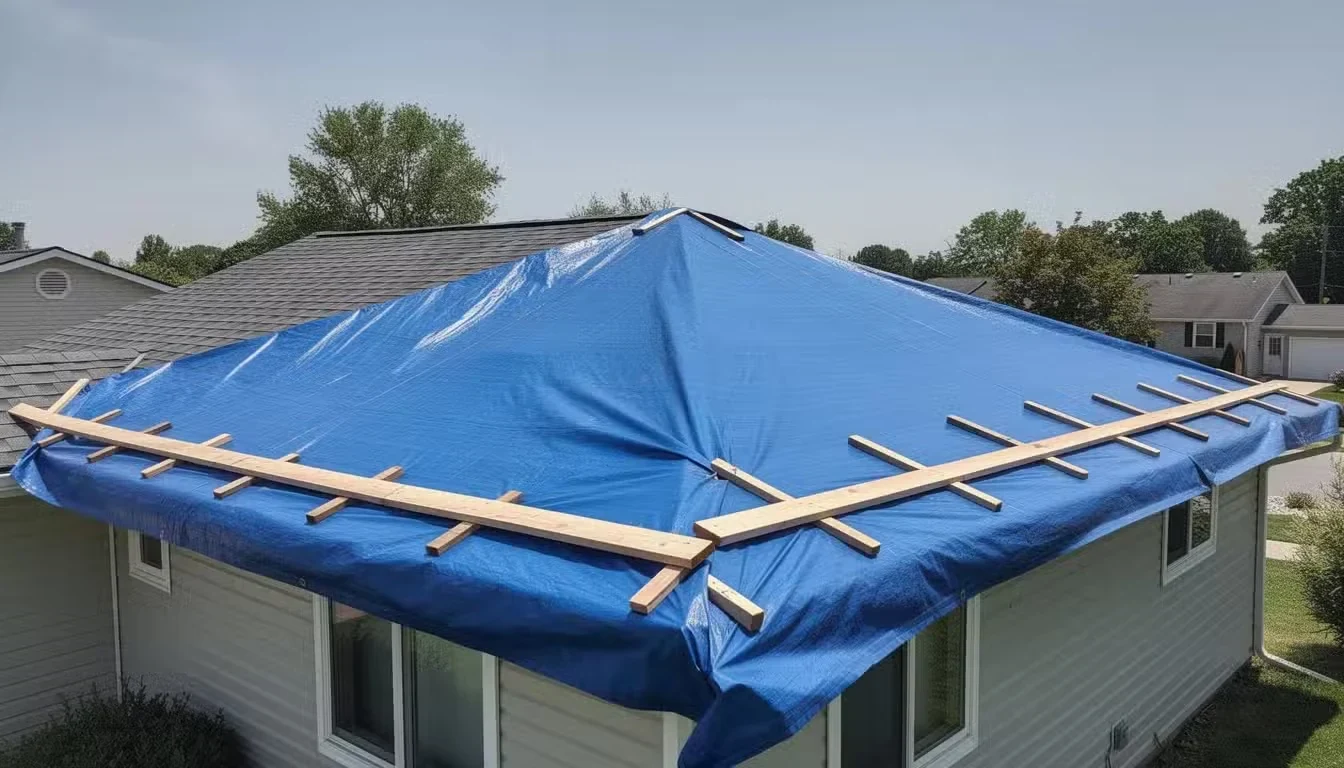
Once coverage is determined, we scope and price the actual repair or replacement work separately from the documentation process. Buildings needing immediate protection before the claim finishes get an emergency dry-in in the meantime, since a roof doesn't stop leaking while paperwork moves through an insurer's process.
Questions About the Documentation Process
Do I need to call my insurance company before or after you inspect the roof?
Either order can work, but documenting the damage first gives you a clearer picture to report when you do call. We can move quickly if there's active water intrusion regardless of where you are in that process.
Will you tell the adjuster whatever gets me the biggest payout?
No. We document what's actually there and characterize it honestly. That approach holds up better under review and protects the legitimate parts of your claim from getting dragged down by an inflated item.
What if the adjuster disagrees with our assessment?
We can walk the roof with them and point to the specific documentation behind each item. Disagreements happen, and having measured, photographed evidence rather than a verbal description is what usually resolves them.
Can you help with a claim on a roof you didn't originally install or maintain?
Yes. Most of our documentation work is on roofs we're seeing for the first time because of the storm event itself, not roofs we've maintained for years.
How long does the documentation process take?
The initial site visit and photo record usually happens within a day or two of the storm event. The written scope and measurements typically follow within a few more days, depending on how extensive the damage is.