TPO Membrane for the Inland Empire's Warehouse Roofs
TPO is the default membrane on nearly every distribution center going up along I-10 and I-215 right now. It reflects heat, welds fast on big roof areas, and holds up to the UV load out here better than the asphalt systems it replaced. This page covers how we spec, install, and repair it.
Why TPO Took Over the Warehouse Market Here
A white or light-gray membrane matters when the roof deck sits under direct sun for a Fontana or Redlands summer. Surface temperatures on a dark roof can run 40 to 50 degrees above ambient air temperature; a reflective TPO field cuts that gap substantially and reduces the thermal cycling that ages a membrane faster than anything else.
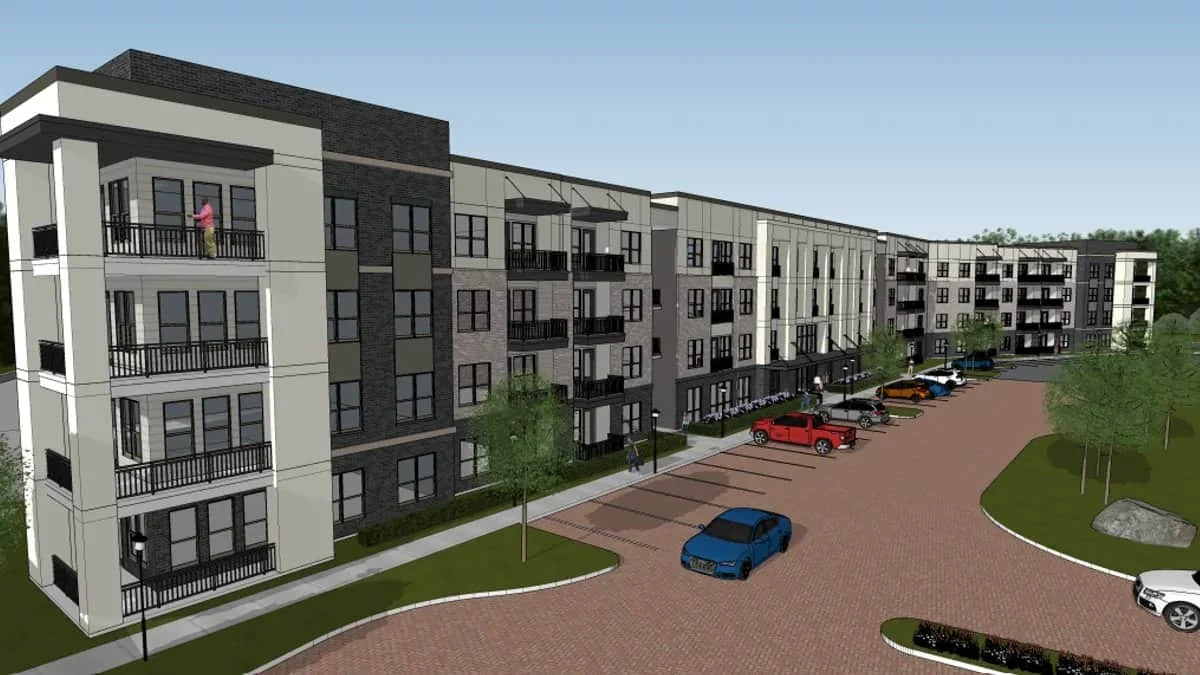
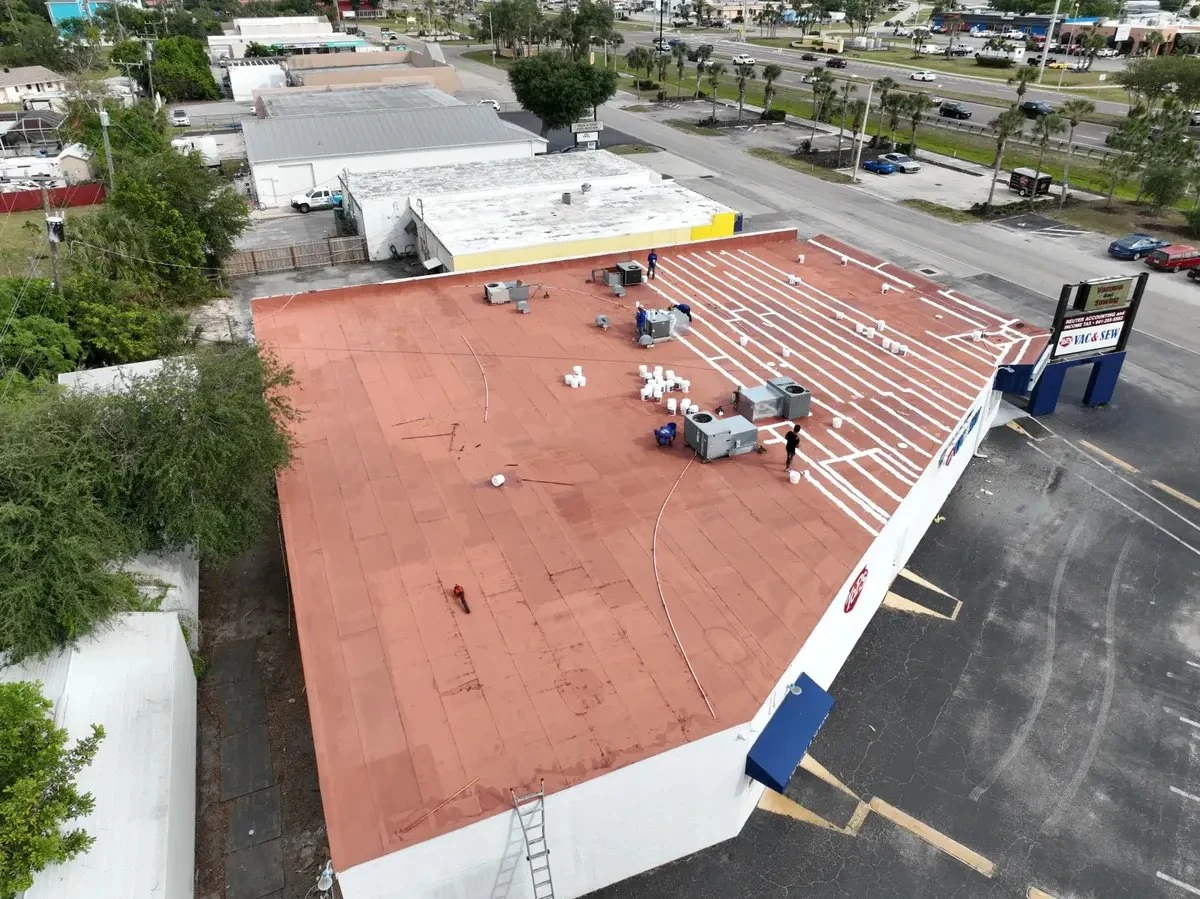
The other reason is speed. Tilt-up construction is the standard here, and these buildings often run 300,000 square feet or more under one roof. Hot-air welded seams let a crew cover that kind of area far faster than adhesive-based systems, which matters when a developer needs the roof closed in before the next trade shows up.
60-Mil vs 80-Mil: What We Actually Spec
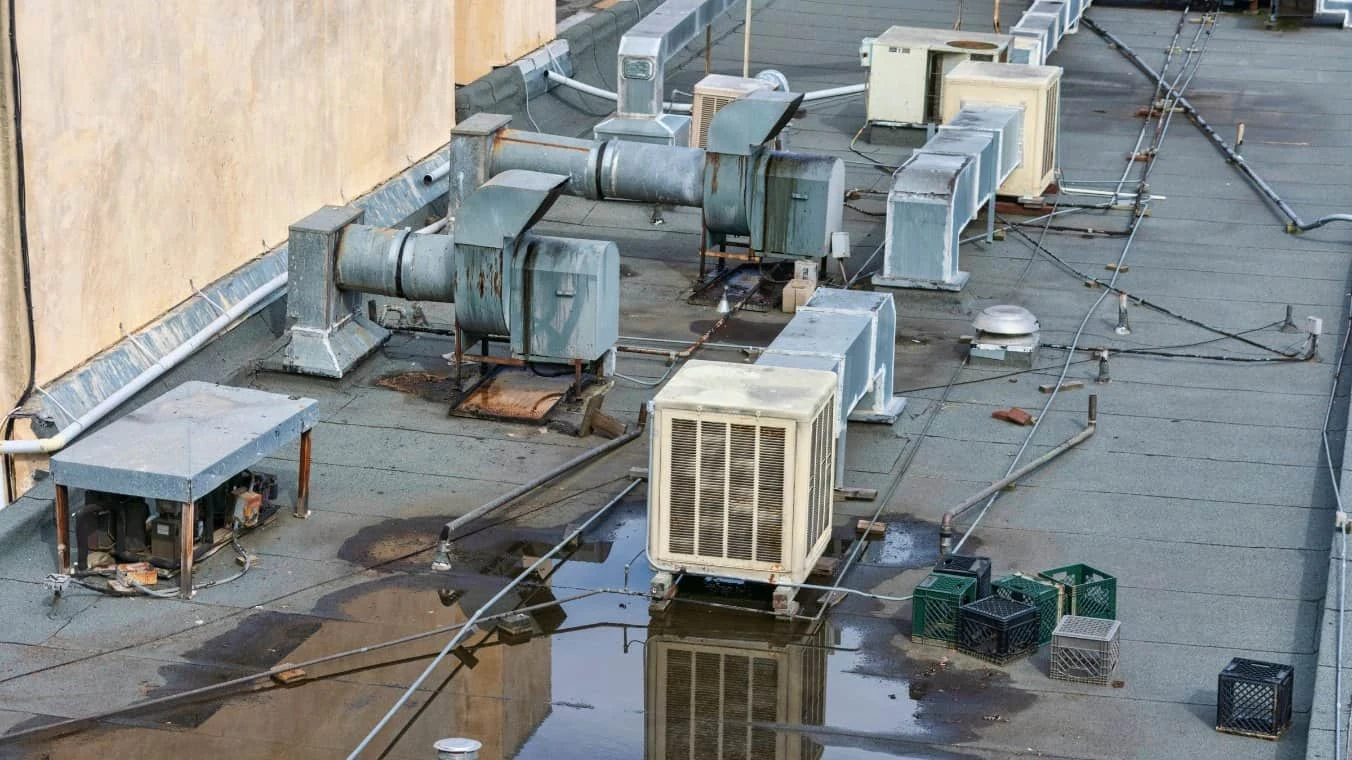
Standard fields on distribution centers usually run 60-mil reinforced membrane. We bump to 80-mil around rooftop mechanical units, walk paths, and any area with regular foot traffic, typically near condenser units serving cold storage sections, where techs are up on the roof several times a month.
Wind uplift is the other variable. Santa Ana events push through the valley hard enough that perimeter and corner fastening patterns need to be tighter than field fastening, and we adjust plate spacing accordingly rather than running one pattern across the whole roof.
Seam Welding and Where TPO Actually Fails
Hot-air welding fuses the membrane sheets into one continuous surface rather than relying on adhesive or tape. Every seam gets probed after welding to confirm a full weld all the way through, rather than a surface tack that looks fine but hasn't actually bonded.
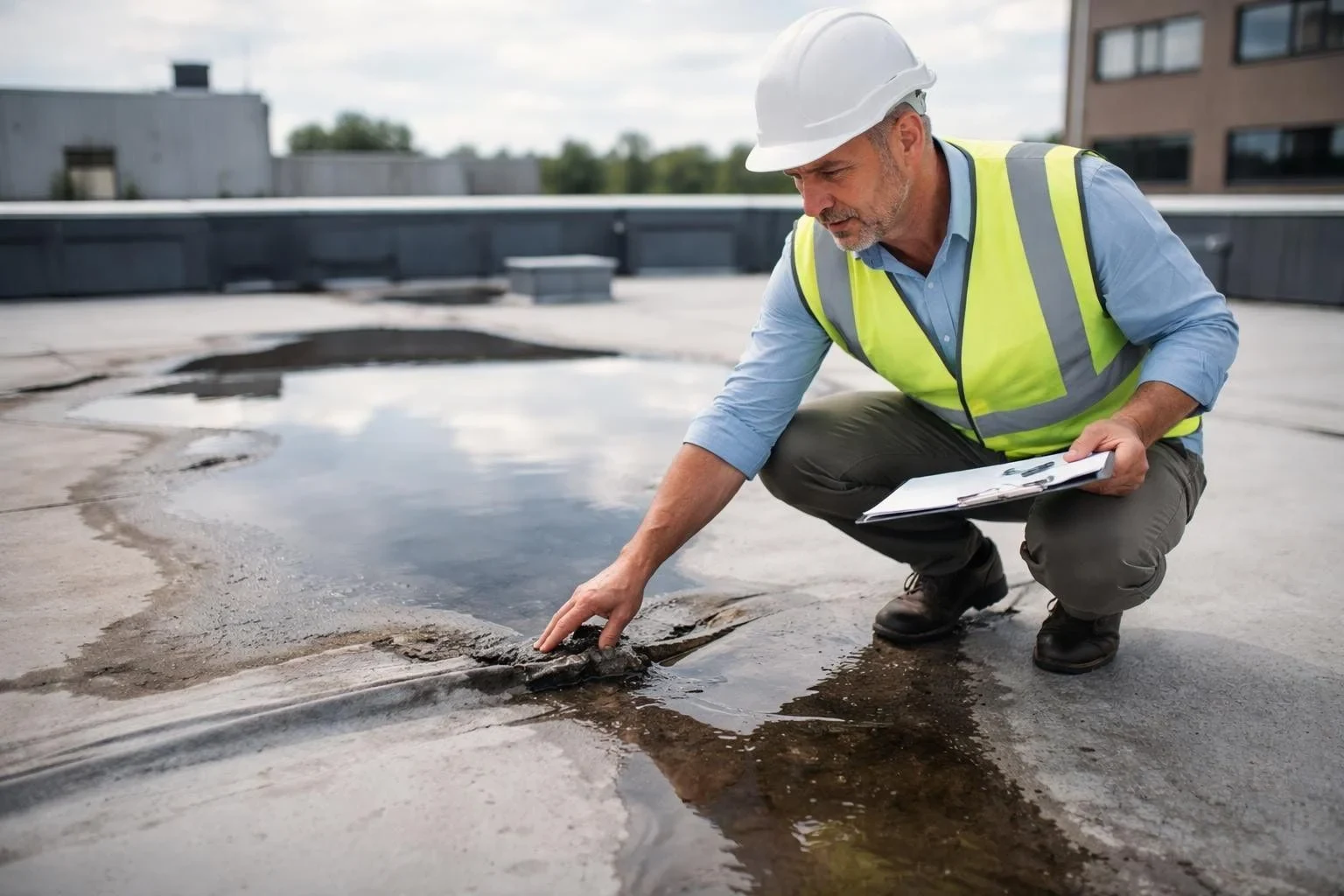
When a TPO roof fails, it is almost never the membrane field itself. Pipe boots, drains, HVAC curb flashing, and parapet terminations take the abuse. Those are the details we check first on any inspection, well before we start probing open field seams.
Recover vs Full Tear-Off
If the existing deck and insulation are dry and sound, we can often weld new TPO over the existing roof assembly rather than tearing everything off. That saves time and disposal cost, and it keeps the building weathertight the whole time.
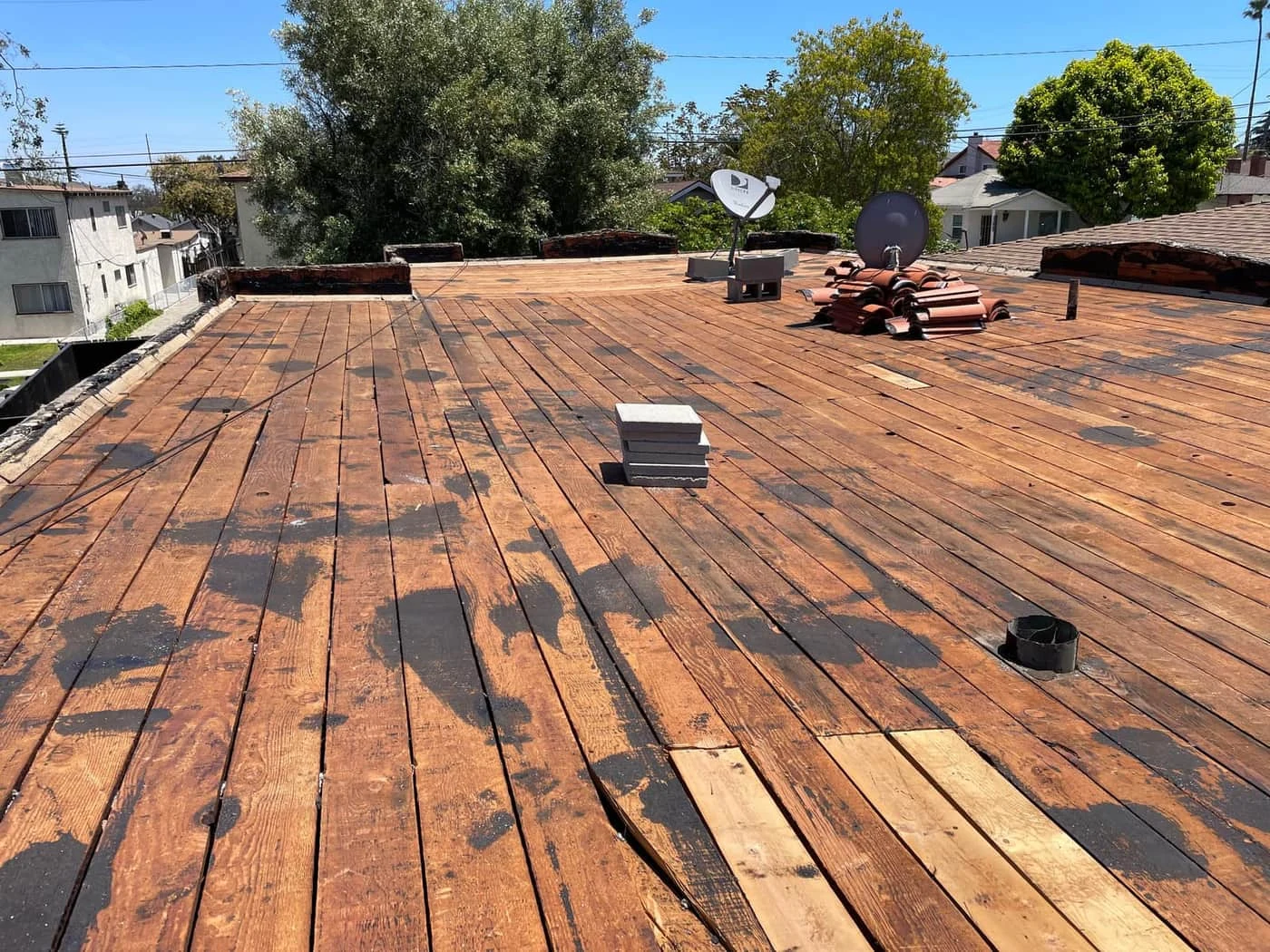
When there are already multiple roof layers, or a moisture scan turns up wet insulation, tear-off is the only honest recommendation. Roofing over wet insulation just traps the problem under a new membrane.
Tapered insulation is worth discussing at the same time as recover or tear-off, since a lot of ponding complaints on distribution center roofs trace back to a flat deck with no built-in slope to the drains. Correcting that during the re-roof, rather than repeating the same drainage layout, is usually the cheaper long-term fix. See our recover and overlay page for how that decision gets made.
- Pipe boot penetrations
- Roof drains and scuppers
- HVAC curb flashing
- Parapet wall terminations
- Expansion joints
- Rooftop unit walk pads
Keeping a TPO Roof Working Once It's Installed
A TPO roof that reaches its full service life almost always has an owner who let us walk it twice a year. We clear drains, re-probe a sample of seams, and check every penetration detail listed above before it becomes a leak call.
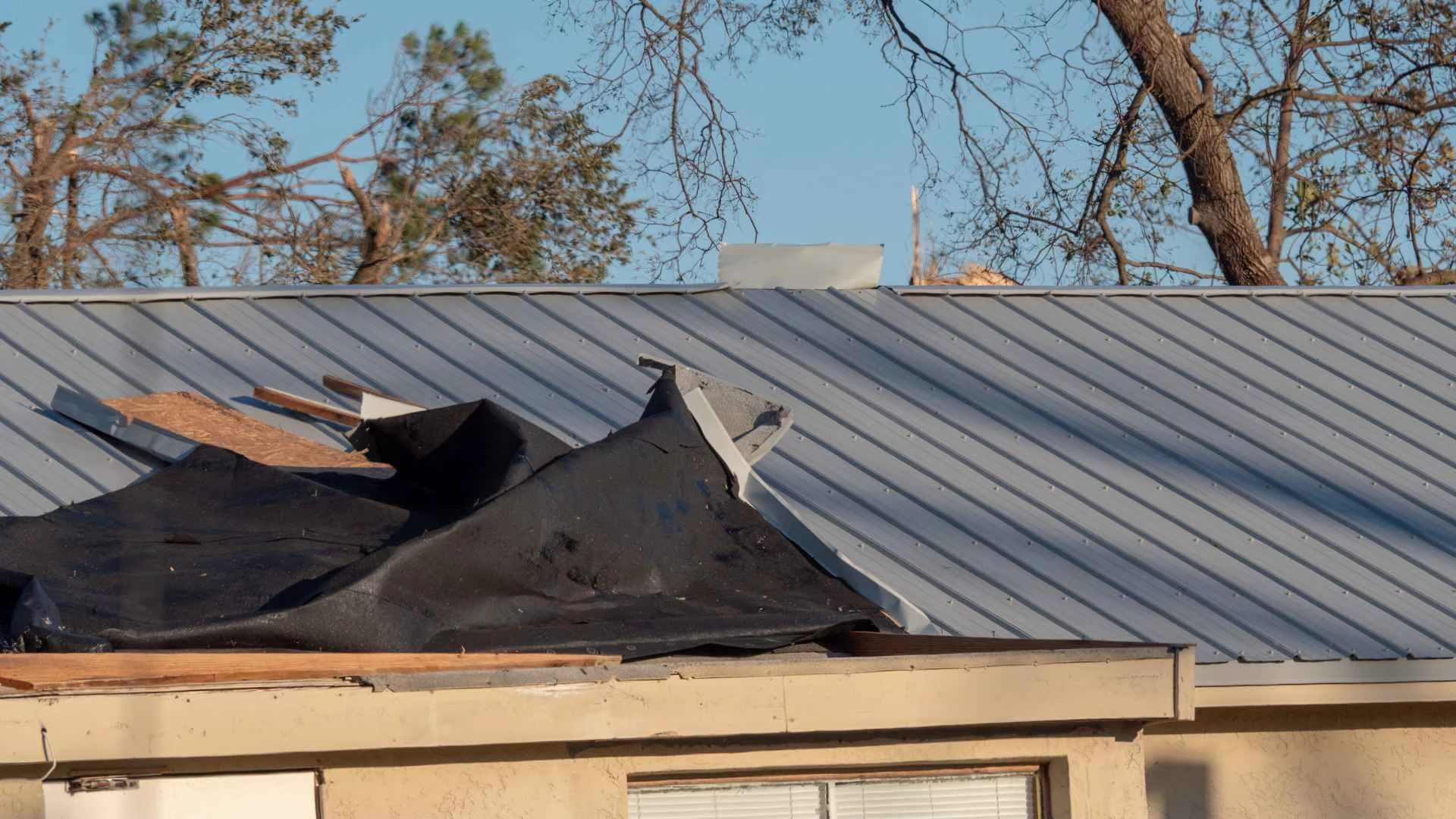
Post-storm inspections matter too. After a Santa Ana wind event we recommend a walk before the next rain, since loose flashing or a lifted edge is far cheaper to fix dry than after water gets under the membrane. See our maintenance program page for how we schedule that.
What Property Managers Ask Us About TPO
How long does a TPO roof last on a warehouse roof out here?
Service life depends heavily on maintenance and rooftop traffic, but a properly installed and maintained TPO system is built for decades of use in this climate, not a handful of years.
Can you weld new TPO over an existing EPDM roof?
Not directly, TPO won't bond to EPDM chemically the way it bonds to itself. A recover over EPDM requires a separator layer or a different approach, which we walk through during the site survey.
Does TPO handle ponding water?
The membrane itself tolerates standing water reasonably well, but ponding accelerates dirt buildup and UV wear at that spot. We'd rather fix the drainage than rely on the membrane alone.
What's the real difference between 60-mil and 80-mil for my building?
Thickness affects puncture resistance and durability under foot traffic, not reflectivity. We spec 80-mil selectively rather than across an entire roof to control cost.
Do you inspect TPO roofs after Santa Ana wind events?
We recommend it, especially for buildings with a history of edge or flashing issues. A short walk after a wind event catches problems before the next storm turns them into a leak.