
Commercial Roofers in Patton
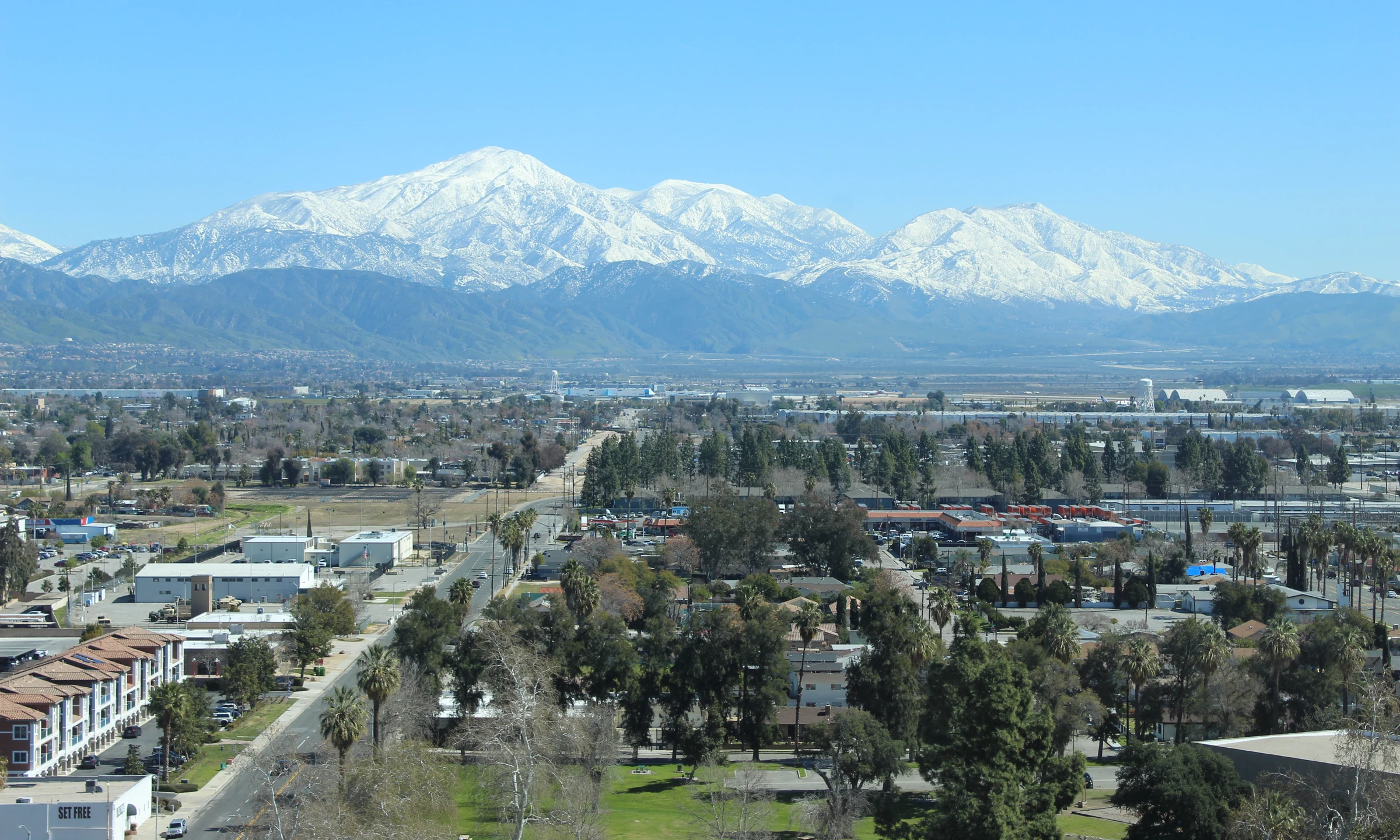
Commercial roofing in Patton should begin with a documented assessment of membrane condition, seams, flashings, drainage, penetrations, and moisture before repair, coating, or replacement is selected. Patton is a small unincorporated community built almost entirely around the Patton State Hospital campus, a large state psychiatric facility spread across dozens of buildings east of San Bernardino near I-215. Roofing work out here is institutional work: security clearance, coordinated access, and buildings ranging from century-old masonry to modern flat-roofed wards.
A Campus of Very Different Buildings
The Patton campus mixes eras in a way few properties do. Some of the original structures are heavy masonry buildings with pitched, tiled, or slate-style roofs that have stood for more than a hundred years. Alongside them sit newer ward buildings, administration blocks, and support structures with conventional low-slope membrane roofs added over the decades as the campus expanded.
Walking this campus feels closer to touring a small town than inspecting a single property. A maintenance shop, a powerhouse or central plant building, dormitory-style ward wings, and standalone administrative offices all sit within a short walk of each other, and each one was built to whatever standard was current at the time. That variety means we rarely apply one roofing spec across the whole site. A recommendation that fits a 1990s ward building is often the wrong answer for a structure built decades earlier, and we scope each roof on its own terms rather than defaulting to a single campus-wide approach.
Working on the older buildings means dealing with roof framing and materials that predate any modern commercial standard. Board sheathing, plaster-and-lath soffits, and decorative parapet detailing all have to be respected during any repair, because replacing an original detail with a generic modern part changes the look of a building the state has an interest in maintaining as it was built.
The newer flat-roofed sections are conventional single-ply or modified bitumen, and they get standard commercial issues: ponding at low points, membrane fatigue at parapets, and failed pitch pockets around rooftop penetrations. These sections are where most of our routine repair calls originate.
Security and Access Change Everything
This is a secure institutional campus, and that reality shapes every job before a single tool comes out of the truck. Crews go through credentialing and escort procedures before reaching a roof, material deliveries get scheduled through campus security, and certain buildings restrict what can be brought on site at all. We plan for this lead time on every estimate instead of treating it as a surprise once the job starts.
Roof access on forensic and high-security wings is more restrictive than on administrative buildings, and ladder or lift placement has to account for sightlines and perimeter fencing. We coordinate directly with campus facilities staff on routing before we schedule equipment, so nothing shows up on the wrong day at the wrong gate.
Kitchens, Laundry, and Mechanical-Heavy Roofs
A campus this size runs its own central kitchen and industrial laundry operations, and the roofs above those functions take a different kind of abuse than a typical office roof. Grease-laden exhaust from kitchen hoods coats nearby membrane and rooftop equipment, and that residue breaks down membrane surfacing faster than ordinary weathering. Laundry roofs deal with constant heat and humidity venting that stresses seams and penetrations near the exhaust runs.
We flag these roof sections for closer, more frequent inspection than a standard office roof, because grease and steam exposure shortens membrane life in ways that are easy to miss until a seam fails outright. Dedicated exhaust curb flashing and periodic degreasing of the roof surface near hood discharges extends the life of these sections considerably.
Maintenance on an Institutional Timeline
- Roof inspections coordinated through campus security and facilities scheduling
- Repair and reroofing on historic masonry buildings with period-appropriate detailing
- Membrane repair and recover work on newer administrative and ward buildings
- Grease-exhaust curb flashing and cleaning near kitchen and laundry roofs
- Emergency dry-in service coordinated around secure-wing access restrictions
- Long-term roof asset planning across a multi-building institutional campus
Documentation the State Actually Needs
Institutional facilities work runs on paperwork as much as it runs on tools. Every inspection we perform on the Patton campus produces a written condition report with photos, tied to the specific building and roof section, because facilities staff need a record that survives staff turnover and budget cycles in a way a private building owner would rarely think about.
We build a roof asset picture across the whole campus rather than treating each building as an isolated job, so facilities managers can prioritize capital spending building by building instead of reacting to whichever roof leaks first.
Common Questions About Patton Campus Roofing
Do your crews need to go through campus credentialing before starting work?
Yes. We handle the credentialing and access coordination with campus security as part of scheduling, and we build that lead time into the project timeline from the estimate stage.
Can you work on the historic masonry buildings without changing their appearance?
We repair using materials and details that match what is already there whenever the building calls for it. On buildings with architectural or historic significance, matching the existing profile and finish is part of the scope, not an afterthought.
How do you handle roofs near kitchen and laundry exhaust?
We inspect those sections more frequently because grease and steam exposure ages membrane faster than normal weathering. Curb flashing and surface cleaning near hood and vent discharges are part of a standard maintenance visit on those roofs.
Do restricted or secure areas limit what roofing work is possible?
Access is more limited on certain wings, and equipment placement has to account for security requirements. We coordinate routing and scheduling directly with facilities staff so the work gets done without creating a security issue.
Can you provide documentation across multiple buildings for a facilities department?
Yes. We can produce building-by-building condition reports that give a facilities team a full picture of roof age and condition across the campus, which helps with capital planning rather than one-off repair decisions.